
Kitchen Design Styles Guide: 2026 Trends & Inspiration
The ultimate guide to modern, traditional, farmhouse, Japandi, and 15+ more kitchen styles for your Pittsburgh home.
Your complete resource for kitchen design ideas, from timeless traditional to cutting-edge contemporary. Discover the style that’s right for your Pittsburgh home.
Modern Kitchen Design
Modern kitchen design emerged from the mid-20th-century modernist movement, emphasizing clean lines, minimal ornamentation, and a focus on functionality. Today, modern kitchens remain one of the most popular kitchen design styles for homeowners seeking a sleek, uncluttered aesthetic.
Key Features of Modern Kitchen Design
- Flat-panel or slab cabinet doors — The hallmark of modern kitchen cabinet design; frameless doors create seamless surfaces.
- Handleless cabinets — Push-to-open mechanisms or integrated pulls maintain clean lines.
- Horizontal lines — Strong horizontal emphasis in cabinetry, shelving, and architectural details.
- Neutral color palettes — White, gray, black, and natural wood tones dominate.
- Integrated appliances — Panel-ready refrigerators and dishwashers blend into cabinetry.
- Quartz or concrete countertops — Smooth, non-porous surfaces in solid colors.
- Under-cabinet and recessed lighting — Hidden light sources create ambiance without clutter.
- Open floor plans — Modern kitchens often flow seamlessly into living spaces.
Modern Kitchen Design Trends for 2025–2026
Current modern kitchen trends include warm wood tones balanced with matte black fixtures, waterfall kitchen islands with book-matched stone, and the integration of smart home technology. We’re also seeing increased interest in sustainable materials and energy-efficient appliances as part of modern kitchen design.
Traditional Kitchen Design
Traditional kitchen design draws inspiration from 18th- and 19th-century European aesthetics, offering timeless elegance. This classic approach features ornate details, rich materials, and a warm, inviting atmosphere.
Key Features of Traditional Kitchen Design
- Raised-panel cabinet doors with decorative molding.
- Crown molding and trim at ceiling lines and transitions.
- Furniture-style elements — Islands and range hoods that resemble fine furniture.
- Warm wood tones — Cherry, maple, and oak in honey, amber, or espresso finishes.
- Granite or marble countertops with movement and veining.
- Decorative hardware — Antique brass, oil-rubbed bronze, or pewter.
- Corbels and turned legs.
- Chandeliers and lanterns as statement fixtures.
Traditional kitchen design suits Pittsburgh’s many historic homes, including Victorian, Colonial, and Georgian architecture. This timeless approach creates spaces that feel established and sophisticated.
Transitional Kitchen Design
Transitional kitchen design blends the best of traditional and contemporary styles, creating a balanced aesthetic. This versatile style has become the most popular choice for kitchen remodels nationwide.
Key Features
- Shaker-style cabinets — Simple recessed-panel doors that work with any decor.
- Neutral color schemes — White, cream, gray, and greige.
- Mixed finishes — Combining brushed nickel, chrome, and matte black.
- Natural stone or quartz with subtle patterns.
- Subway tile backsplashes in updated colors or layouts.
- Streamlined hardware, simple shapes.
- Blended lighting — Traditional and modern fixtures together.
- Functional islands with seating and storage.
Transitional design offers the most flexibility and broad appeal. It adapts to different home styles, tastes, and evolving trends — an excellent choice for homeowners concerned about resale value.
Farmhouse Kitchen Design
Farmhouse kitchen design captures the warmth and charm of rural American homes, combining rustic elements with modern comfort. Also known as country kitchen design.
Key Features
- Apron-front (farmhouse) sinks — The iconic deep, exposed-front sink.
- Shaker cabinets often painted white or soft colors.
- Open shelving.
- Reclaimed wood — Barn wood accents, beams, or flooring.
- Butcher block countertops.
- Subway tile backsplashes.
- Barn-style lighting.
- Vintage accessories.
Modern farmhouse kitchen design has evolved to include cleaner lines and more sophisticated finishes while retaining that essential warmth.
Contemporary Kitchen Design
Contemporary kitchen design reflects current trends rather than a specific historical period. Contemporary kitchens are constantly evolving, incorporating the latest materials, technologies, and design innovations.
Key Features
- Bold design choices — Dramatic colors, contrasting materials, statement pieces.
- Innovative materials — Glass, metal, concrete, and engineered surfaces.
- Waterfall countertops.
- Statement lighting — Sculptural pendants and artistic fixtures.
- High-gloss finishes — Lacquered cabinets and reflective surfaces.
- Smart technology — Integrated appliances, touchless faucets, smart storage.
- Mixed textures.
- Architectural interest — Unique angles, floating elements, custom millwork.
Craftsman Kitchen Design
Craftsman design honors the Arts and Crafts movement of the early 20th century, emphasizing handcrafted quality, natural materials, and honest construction.
Key Features
- Mission-style cabinets — Flat panels with square, geometric profiles.
- Exposed woodwork — Visible joinery, beams, and structural elements.
- Built-in cabinetry.
- Earth-toned palettes — Warm browns, greens, rusty reds.
- Handmade tile.
- Hammered metal — Copper or bronze sinks, hardware, fixtures.
- Breakfast nooks with wood details.
- Soapstone countertops.
Craftsman design complements Pittsburgh’s many Craftsman bungalows and Arts and Crafts homes.
Minimalist Kitchen Design
Minimalism takes the “less is more” philosophy to its logical conclusion, creating serene spaces where every element serves a purpose.
Key Features
- Handleless cabinets — Touch-latch or integrated pulls.
- Hidden storage.
- Monochromatic schemes.
- Integrated appliances.
- Clean countertops.
- Recessed lighting.
- Simple materials — Large-format tiles, solid-surface counters.
- Japanese influences — Zen-like simplicity.
Luxury Kitchen Design
Luxury kitchens incorporate premium materials, professional-grade appliances, and custom craftsmanship to create extraordinary spaces.
Key Features
- Custom cabinetry — Furniture-grade construction.
- Professional appliances — Commercial-style ranges, built-in refrigeration, wine storage.
- Premium countertops — Exotic marble, quartzite, custom concrete.
- Statement islands.
- Butler’s pantries.
- Designer fixtures.
- Custom lighting.
- Integrated technology.
Scandinavian Kitchen Design
Scandinavian kitchen design brings the clean, functional aesthetic of Nordic countries to your home. Rooted in the principles of hygge (coziness) and lagom (balance), Scandi kitchens prioritize simplicity, natural light, and thoughtful functionality.
Key Features
- Light color palettes — White, pale gray, soft neutrals.
- Natural wood tones — Light oak, birch, ash.
- Flat-panel cabinets.
- Open shelving.
- Natural materials — Wood, stone, leather, linen.
- Functional layout.
- Plants and greenery.
- Minimalist accessories.
Industrial Kitchen Design
Industrial kitchen design draws inspiration from converted warehouses, factories, and lofts. This bold aesthetic celebrates raw materials, exposed structural elements, and the beauty of utilitarian design.
Key Features
- Exposed brick.
- Metal accents — Steel, iron, copper.
- Edison-style lighting.
- Open ductwork.
- Concrete surfaces.
- Dark color schemes.
- Reclaimed wood.
- Commercial-style appliances.
Industrial kitchen design suits Pittsburgh’s urban lofts and warehouse conversions particularly well, connecting to our city’s industrial heritage.
Mediterranean Kitchen Design
Mediterranean design captures the warmth and romance of coastal European homes — from Italian villas to Spanish haciendas. Rich textures, warm colors, and handcrafted details create spaces perfect for gathering.
Key Features
- Terracotta and tile.
- Arched doorways.
- Warm color palettes — Ochre, burnt sienna, olive green, deep blue.
- Wrought iron accents.
- Natural stone — Travertine, limestone, marble.
- Wood ceiling beams.
- Textured plaster walls.
- Large farmhouse sink.
Japandi Kitchen Design
Japandi represents one of the most exciting emerging trends, blending Japanese minimalism with Scandinavian functionality. This fusion combines the wabi-sabi appreciation for imperfection with Nordic hygge coziness.
Key Features
- Neutral earth tones.
- Natural materials — Raw wood, stone, bamboo, ceramic.
- Clean lines.
- Handcrafted elements — Artisan pottery, woven textures.
- Functional minimalism.
- Organic shapes.
- Subtle texture.
- Indoor plants.
Japandi appeals to homeowners seeking calm, mindful spaces that honor both Eastern and Western design traditions.
Outdoor Kitchen Design
Outdoor kitchen design extends your living space beyond four walls, creating year-round entertainment areas perfect for Pittsburgh’s summer gatherings and fall tailgates.
Key Features
- Built-in grill.
- Weather-resistant cabinetry — Marine-grade materials.
- Outdoor countertops — Granite, concrete, or tile.
- Refrigeration.
- Covered structures — Pergolas, pavilions, covered patios.
- Outdoor lighting.
- Sink and prep area.
- Bar seating.
For Pittsburgh homeowners, outdoor kitchen design requires attention to weatherization and material selection that can handle our freeze-thaw cycles.
Kitchen Lighting Design
Kitchen lighting design transforms how your space looks and functions. The right plan layers multiple light sources to create a kitchen that’s both practical and inviting.
Types of Kitchen Lighting
- Ambient lighting — Overall illumination.
- Task lighting — Focused light for work areas.
- Accent lighting.
- Decorative lighting — Statement pendants and chandeliers.
Kitchen Lighting Trends 2025–2026
- Oversized pendants over islands.
- Linear fixtures — long rectangular pendants and chandeliers.
- Mixed metals — brass, black, chrome.
- Smart, dimmable, programmable systems.
- Hidden LED strips in cabinets and toe kicks.
- Natural materials — rattan, wood, woven fixtures.
Kitchen Pantry Design
Pantries have evolved from simple storage closets to dedicated prep and organization zones. A well-designed pantry reduces kitchen clutter, keeps ingredients accessible, and can include secondary prep space.
Types of Kitchen Pantries
- Walk-in pantry.
- Butler’s pantry — Pass-through between kitchen and dining.
- Reach-in pantry.
- Pull-out pantry.
Small Kitchen Design Ideas
Strategies
- Light colors to make space feel larger.
- Reflective surfaces.
- Vertical storage — cabinets to the ceiling.
- Multi-function islands.
- Open shelving for airiness.
- Compact appliances.
- Layered lighting.
- Streamlined or handleless hardware.
Layout Options
Galley: Two parallel walls — efficient work triangle.
L-Shaped: Cabinets on two perpendicular walls.
One-Wall: All cabinets and appliances on a single wall.
U-Shaped: Cabinets on three walls for maximum storage.
Kitchen Cabinet Styles & Door Styles
Popular Cabinet Door Styles
- Shaker: Five-piece door with flat center panel. Works in every style.
- Flat Panel (Slab): Frameless, modern.
- Raised Panel: Center panel that protrudes. Classic traditional.
- Beadboard: Cottage or farmhouse character.
- Glass Front: For displaying china or glassware.
Kitchen Cabinet Color Trends 2025–2026
- White — Still the dominant choice.
- Navy blue — Sophisticated, especially on islands.
- Sage green — Natural and grounding.
- Warm wood tones — Natural oak, walnut, maple replacing gray wood.
- Black — Bold and dramatic.
- Two-tone combinations.
Kitchen Trends 2025–2026
Top Kitchen Trends
- Warm minimalism — clean lines balanced with natural textures.
- Statement range hoods.
- Integrated appliances.
- Kitchen islands with personality.
- Natural stone comeback — marble and quartzite.
- Unlacquered brass.
- Hidden pantries.
- Smart storage solutions.
2026 Preview
- Curves and arches.
- Vintage-inspired appliances.
- Bold backsplashes — floor-to-ceiling tile.
- Mixed metals.
- Sustainability focus.
- Tech integration.
How to Choose Your Kitchen Style
Selecting the right style involves balancing personal preferences with practical considerations.
Consider Your Home’s Architecture
Your kitchen should complement your home’s overall style. Transitional design offers the most flexibility across architectural styles.
Think About How You Use Your Kitchen
Serious home cooks may prioritize function. Families need easy-clean materials. Frequent entertainers might want open designs.
Evaluate Your Lifestyle
High-gloss cabinets show fingerprints. White marble stains. Choose finishes that work with your daily life.
Consider Resale Value
Broad-appeal styles like transitional design typically offer better returns.
Start Your Kitchen Remodel in Pittsburgh
At Integrated Contracting & Renovations, we specialize in custom kitchen remodels that reflect your unique style and needs. Whether you’re drawn to modern minimalism, traditional elegance, or something in between, we have the expertise to bring your vision to life.
Our kitchens renovation page →
The kitchen is the heart of the home — designed, built, and finished around how you actually cook.

Jordan Kelly is a co-owner and co-founder of Integrated Contracting & Renovations. A Pittsburgh native with an accounting degree from Saint Francis University, he has spent more than 15 years in Pittsburgh real estate and focuses on the numbers behind a renovation — what projects cost, what they return, and how homeowners finance them.
See how we built it.
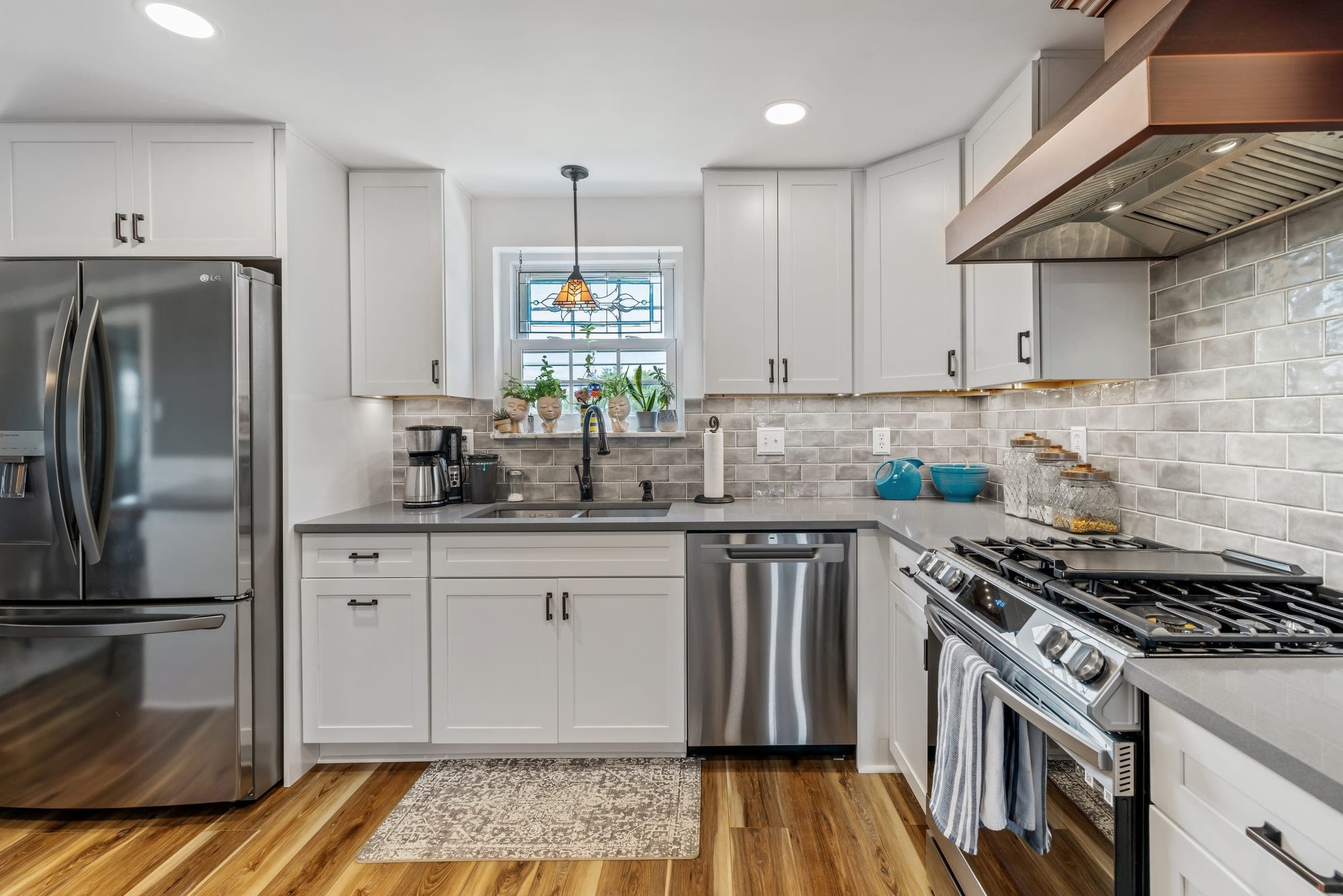
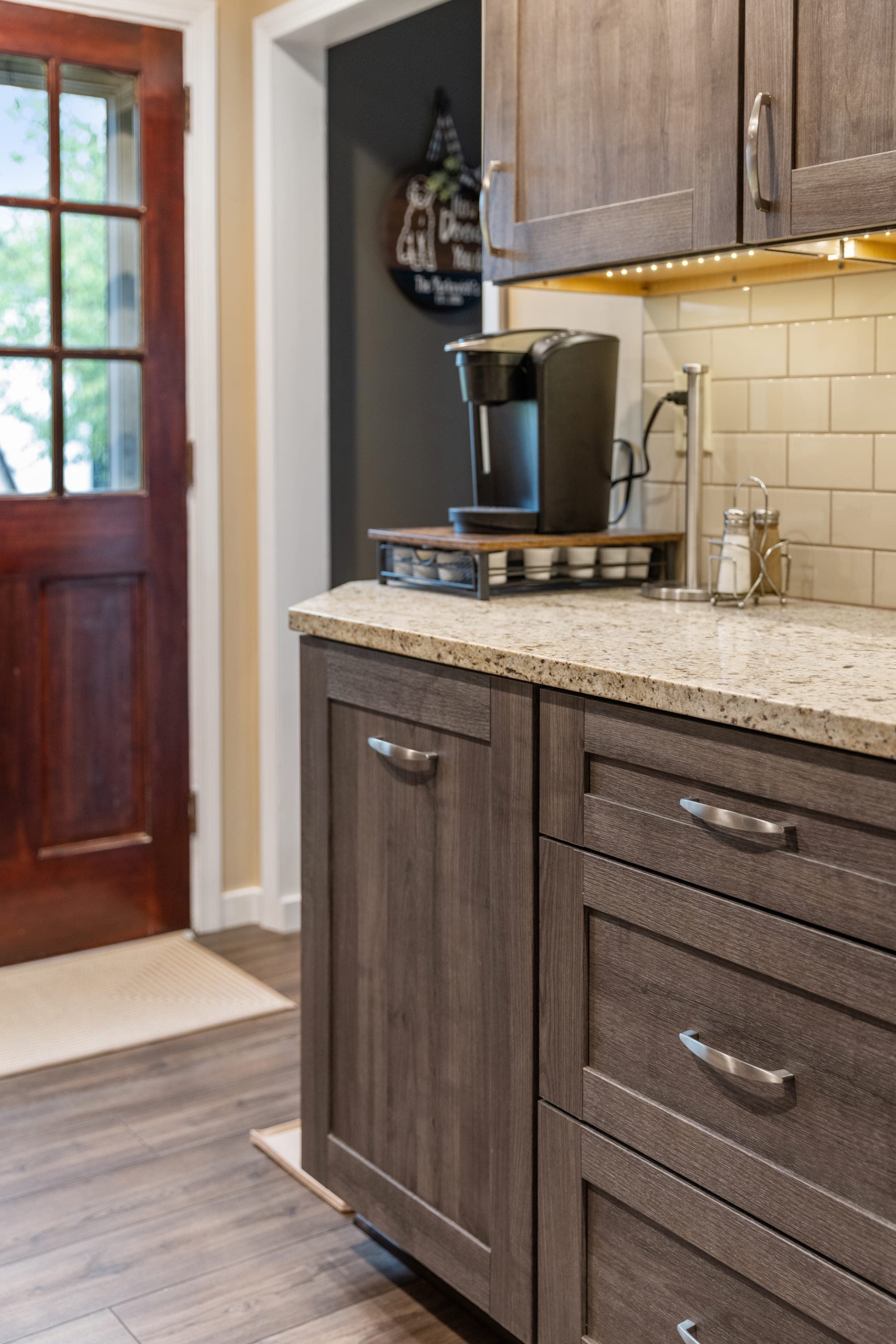
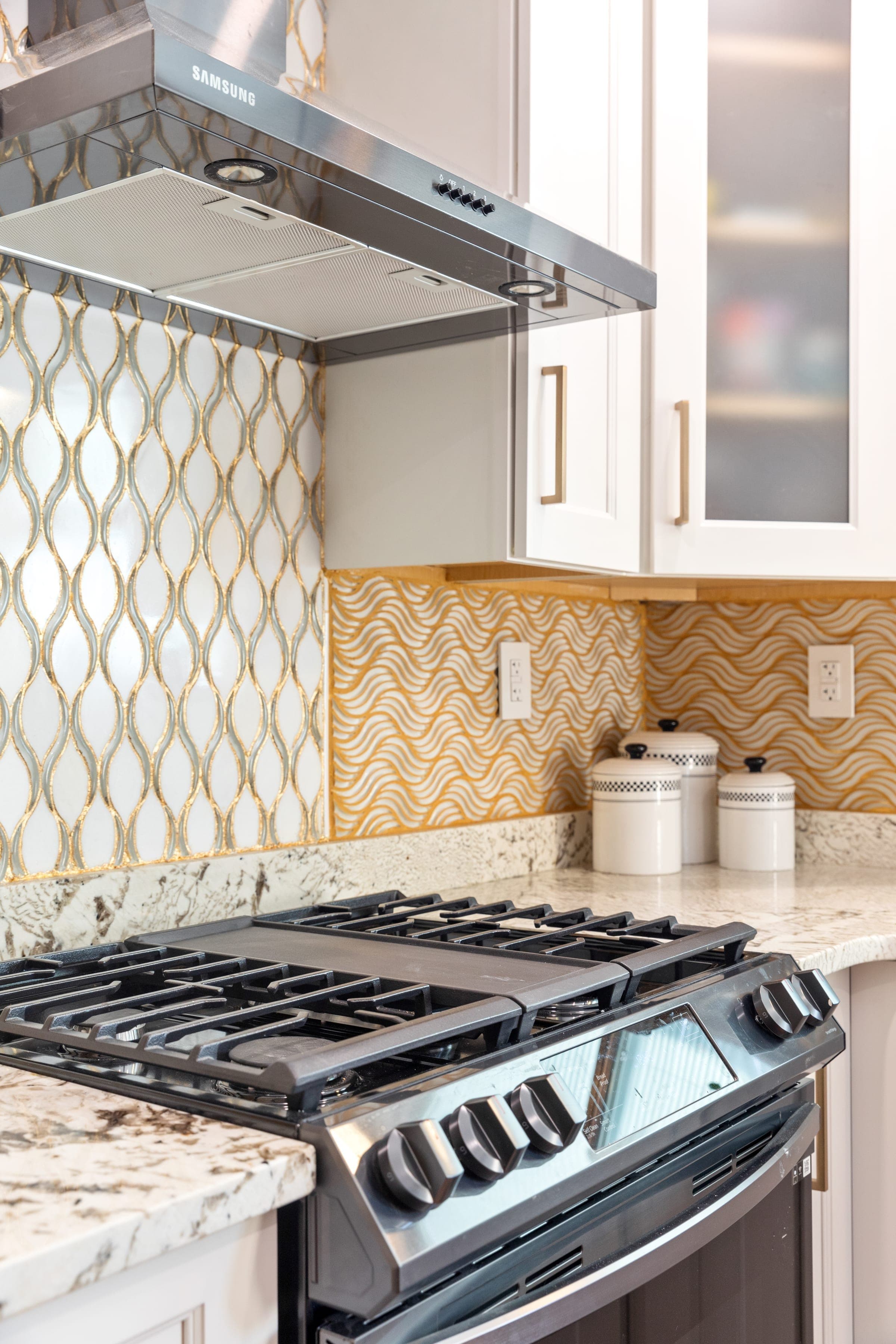
Related reading.
"General Contractors Near Me": How to Actually Vet the Ones You Find
Searching "general contractors near me" gives you a map full of pins and no way to tell them apart. Here's what "near me" should really mean in the Pittsburgh area, the questions that separate a real contractor from a good salesperson, and the red flags worth walking away from.
Hiring a Kitchen Contractor in Pittsburgh: What Actually Matters
The kitchen is the most trade-dense room in the house, which makes it the hardest room to hire for. What separates a real kitchen contractor from a cabinet installer, why opening a wall in an older Pittsburgh home is a structural question, what the work actually costs here, and how to vet the people you find.
Basement Waterproofing in Pittsburgh: Signs, Fixes, and What It Costs
How to read the signs of a basement water problem, why Pittsburgh basements are especially prone to it, the fixes that actually work, and the honest answer on cost — plus why waterproofing always comes before finishing.