
Home Renovations in
Squirrel Hill, PA
Squirrel Hill is one of Pittsburgh’s most architecturally significant city neighborhoods — Tudors, Colonials, and brick foursquares from the 1900s–1930s, often on lots large enough to have made suburban sense. Renovating here means doing the work the homes deserve.
What Squirrel Hill homes
are actually made of.
Squirrel Hill’s housing is the upper end of Pittsburgh’s pre-war architecture — Tudors with cast-stone detailing, center-hall Colonials with original millwork, and brick foursquares larger than most suburban colonials. Many homes have intact original kitchens (oddly), original baths, and original mechanical systems waiting for thoughtful updates. Lot sizes vary from city-tight along Murray to suburban-grade in the streets above Beacon.
Most common renovations
in Squirrel Hill.
- 01High-end kitchen renovations within original footprints
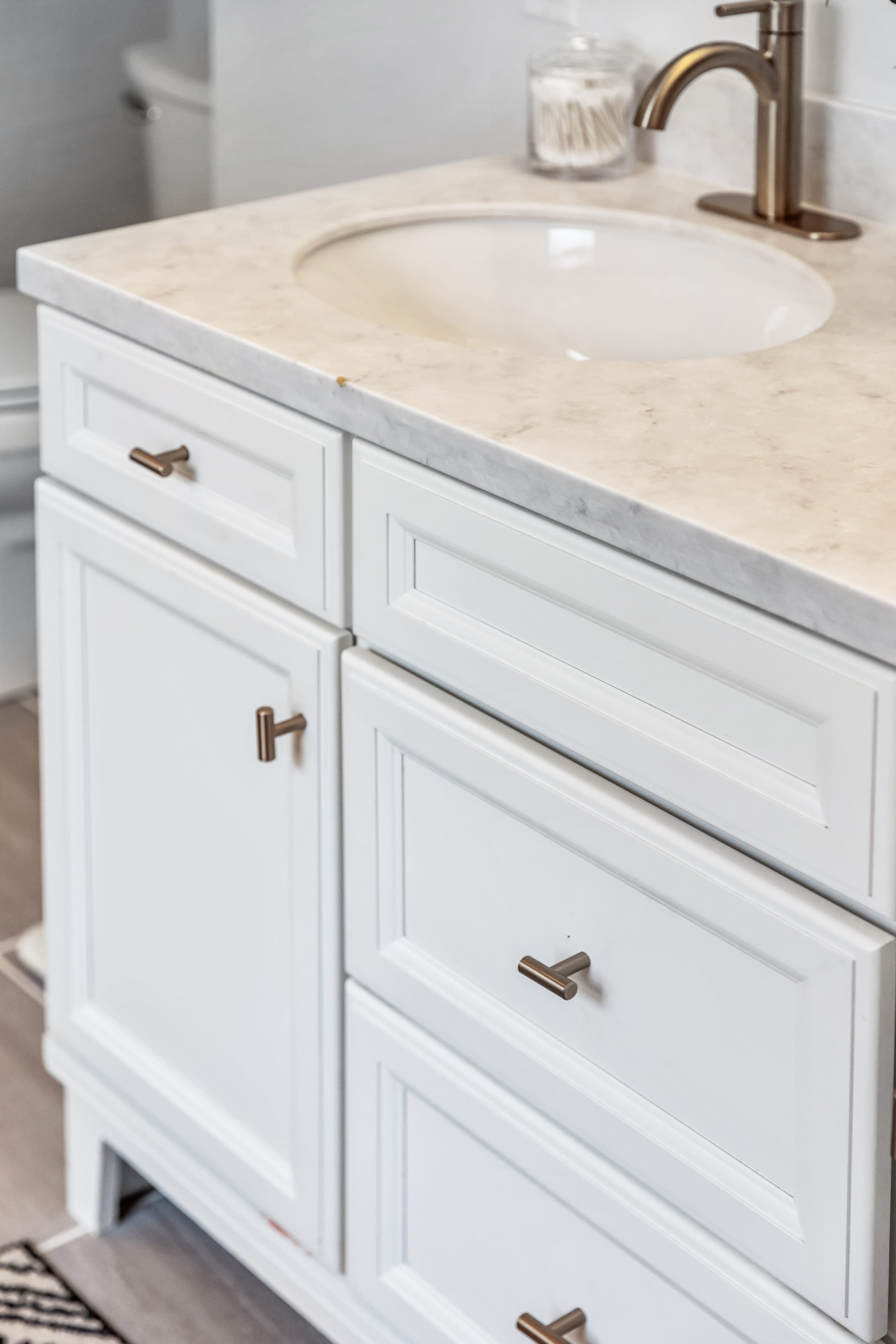
- 02Primary bath renovations preserving period detail
- 03Whole-home mechanical updates (knob-and-tube rewires, plumbing stack replacements)
- 04Restored millwork, casing, and trim reproduction
- 05Third-floor finishing of original servant’s quarters into bonus space
Challenges we’ve seen before.
Active knob-and-tube is common; lead-jointed cast iron drain stacks are universal. Original plaster is exceptional and worth preserving — patch and skim, never replace. Many homes have been previously renovated unevenly; identifying what’s original and worth keeping vs what’s a poor 1990s update is part of feasibility. Pittsburgh PLI permits are bureaucratic and slow.
How we pull permits in Squirrel Hill.
Permits route through Pittsburgh PLI downtown. Standard residential permits run 21–30 days; structural and historic-character work on the larger Tudors can extend further if exterior changes are involved.
Recent Squirrel Hill renovations.
The contractor for Squirrel Hill, PA.
Squirrel Hill homes deserve craftsmen, not contractors. Our trim work, plaster repair, and mechanical sequencing match the standard the homes were built to. We work with millworkers, plasterers, and finish carpenters who specialize in pre-war Pittsburgh — not commodity-grade subs.