
The Case for Starting an Indoor Remodel in January
Winter feels like the wrong time to tear out a kitchen. For interior work in Pittsburgh it is often the right one: outdoor season is over, the planning got done over the holidays, and a six-to-twelve-week kitchen that starts in January is finished before the first warm weekend. When a winter start makes sense, the projects it does not suit, and what living through construction with the windows shut actually involves.
Quick Take: For a kitchen or bathroom in Pittsburgh, January is one of the smartest times of year to start construction. Deck, patio, and concrete season is over, so exterior work is not competing for the calendar. If you used November and December to settle the design and selections, the project starts with its decisions already made. And a kitchen that runs our usual 6 to 12 weeks on site from early January is done by late March at the latest, before anyone wants to be outside. It is the wrong month for additions, exterior work, and any basement whose water behavior you have not yet watched through a wet season.
Most people's instinct runs the other way. Spring feels like the season for projects, so that is when a lot of people start thinking about one, and by the time a spring planner has a design, a bid, and a cabinet order, the project is starting in summer. Summer is when you want the house back.
What January has going for it
The outdoor work is done. Decks, patios, and concrete are weather-bound. Our outdoor projects run 2 to 8 weeks on site, and that work belongs to the warmer months, because nobody should be pouring a patio or setting deck footings through a Pittsburgh January. Once that season closes, interior projects have the calendar to themselves.
You are inside anyway. The disruption of a remodel lands on the months you are least likely to be using the yard, the porch, or the grill as a second kitchen. The months you would actually miss a working house, the long summer ones with kids home and people visiting, are left alone.
The planning had somewhere to happen. This is the real reason. On our kitchens page we put design, cabinet lead times, and permits at 8 to 16 weeks before demolition. That is the stretch that decides whether a kitchen runs on schedule, and it does not need your kitchen out of service. It needs your decisions. November and December evenings are a reasonable time to go to a showroom, argue about door styles, and lock selections. A January start is what that planning turns into.
Spring arrives finished. Count it forward. Demolition in the first full week of January plus six weeks lands in mid-February. Twelve weeks lands at the end of March. Our completed kitchens have run from four weeks at Nix Drive to seven at Greenwood Avenue, and our bathrooms run 4 to 8 weeks on site. Either way you are cooking in the new room before the trees leaf out.
Which projects suit a winter start
Anything that happens entirely inside a heated house.
- Kitchens, especially ones that keep their footprint. Norma Drive in Whitehall kept the layout and gutted everything else in five weeks.
- Bathrooms, including more than one at a time. Brownsville Road rebuilt three bathrooms in eight weeks, phased so the family always had at least two working.
- Interior reconfiguration, walls moving inside the existing footprint. Structural work inside a closed, heated house is not affected by the weather outside.
Which projects do not
Here is where we would talk you out of it.
Additions. An addition starts with excavation and a foundation, and frozen ground and cold-weather concrete are problems you do not need to pay to solve. An addition is a project to plan in winter and break ground on once the ground cooperates.
Anything exterior. Decks, patios, siding, a new door opening that leaves a wall open to the weather for days. These wait.
Basements you have not watched through the wet season. Our basement finishing guide argues for a spring start, and it is right for most first-time basement projects: heavy April rain shows you exactly what the foundation does before a wall gets framed. If you already know how your basement behaves because you have lived with it through several springs, and the waterproofing question is settled, a winter basement is fine. If you do not know, spend the winter testing and watching instead.
What a winter project is actually like
It is not a hardship, but it is different, and you should know how.
The house is shut. In summer you open windows. In January the dust and the smell of paint and adhesive stay inside unless the work zone is sealed properly. Most of our clients live at home through a remodel, and we seal the work area with plastic and zip walls and clean the finished surfaces in the rest of the house every Friday. In winter that containment does more of the work.
Doors open to the cold. Demolition debris goes out and cabinets and materials come in, and each trip lets heat out. Expect a few chilly afternoons during demo week and delivery days.
Weather can cost a day. A heavy snow can push a delivery or a fabricator's install, and a salted, slushy driveway means more floor protection between the door and the work zone. A winter schedule should expect a lost day here and there, not rely on none.
The temporary kitchen matters more. Nobody is grilling outside in February. Set up the temporary kitchen in the dining room properly: microwave, coffee, a counter-top cooking appliance, a place to wash dishes. Plan for eating out more than you think.
How to be ready for January
Working backward from a first-week-of-January start, the things that need to be true are simple to list and impossible to rush. The design is settled. Selections are made down to hardware. Cabinets are ordered with a confirmed delivery date. A permit is submitted if the work needs one. The contract is signed and the deposit has secured your spot on the schedule.
If it is mid-November and none of that has started, be honest about the arithmetic. Eight weeks from today is already mid-January, and that is the short end of the window. A late-January start is realistic for a straightforward kitchen that keeps its layout and picks a shorter cabinet lead time. For anything larger, aim for February or March and use the extra weeks. A start date that arrives with open decisions is a start date in name only.
If budget is part of the planning, the investment calculator gives you a range to work from before the site visit, and the kitchen cost guide breaks down where a kitchen budget goes.
Common questions
Is winter a good time to remodel a kitchen in Pittsburgh?
For interior work, often yes. Outdoor construction season is over, the holidays give you time to finish design and selections, and a kitchen that runs 6 to 12 weeks on site from early January is finished by late March. It is a poor choice for additions, exterior work, and basements with unresolved water questions.
What projects should not start in January?
Additions, because they start with excavation and a foundation and frozen ground works against both. Exterior work such as decks, patios, and siding. And basement finishes where you have not yet seen how the foundation handles a wet spring.
Why does ICR recommend a spring start for basements but a winter start for kitchens?
Because a basement's biggest risk is water, and heavy spring rain shows you what the foundation does before any wall is framed. A kitchen's biggest risk is late decisions and lead times, which winter planning solves. If your basement's water behavior is already known and handled, a winter basement start is fine.
Can you live in the house during a winter remodel?
Yes. Most of our clients do. The work area is sealed with plastic and zip walls and the rest of the house gets a surface clean every Friday. With windows shut in winter, that containment matters more, and you should expect some cold afternoons on demolition and delivery days.
When should I start planning for a January remodel?
In the fall. Design, cabinet lead times, and permits typically take 8 to 16 weeks before demolition. By a January start the design should be final, selections made, cabinets ordered with a confirmed date, and any permit submitted.
Where this leaves you
If the room you want to change is inside the house, treat the holidays as the design phase and January as the start. If it is outside, or it is an addition, plan it this winter and build it when the ground thaws. Either way, the estimate page is where the calendar starts.
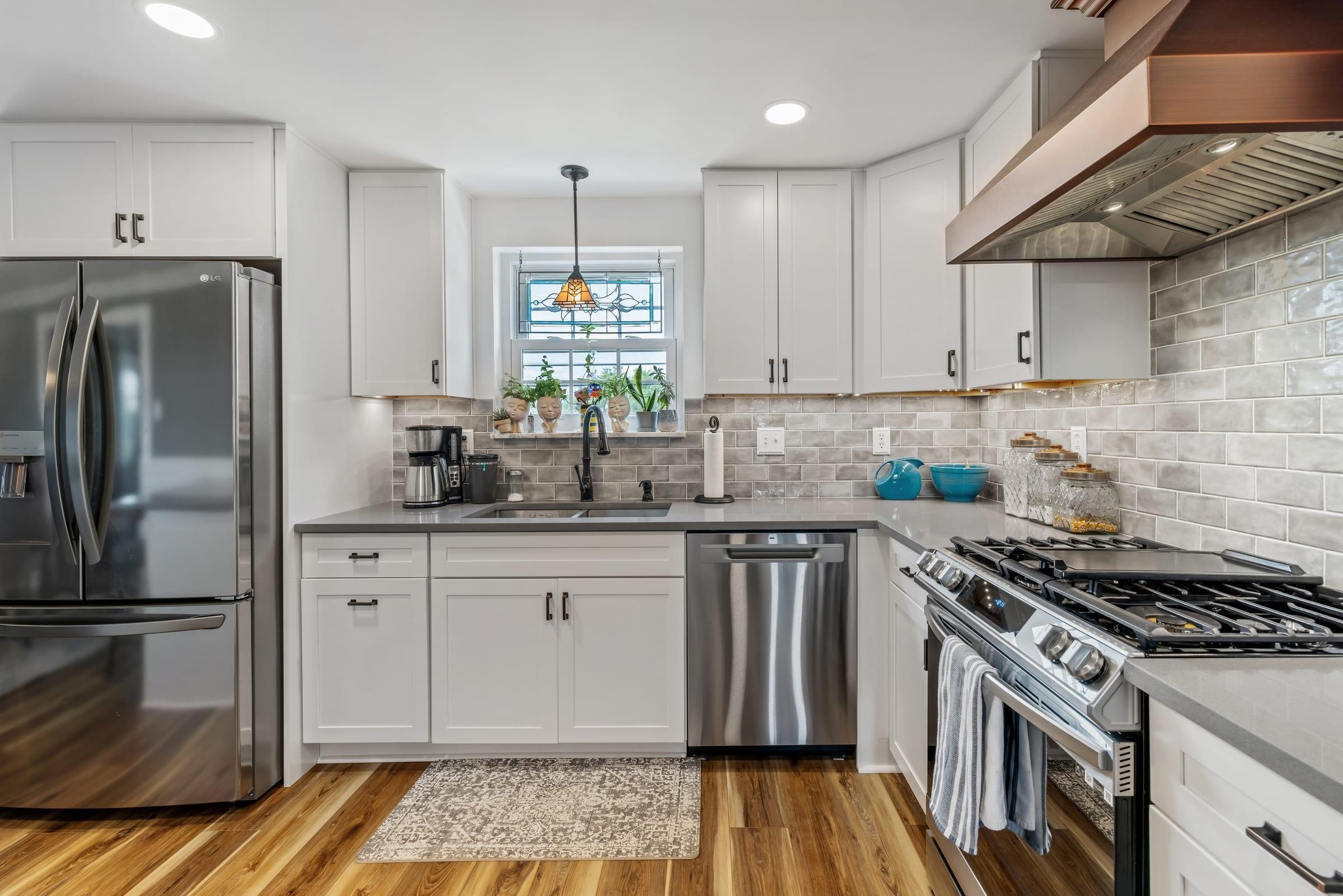
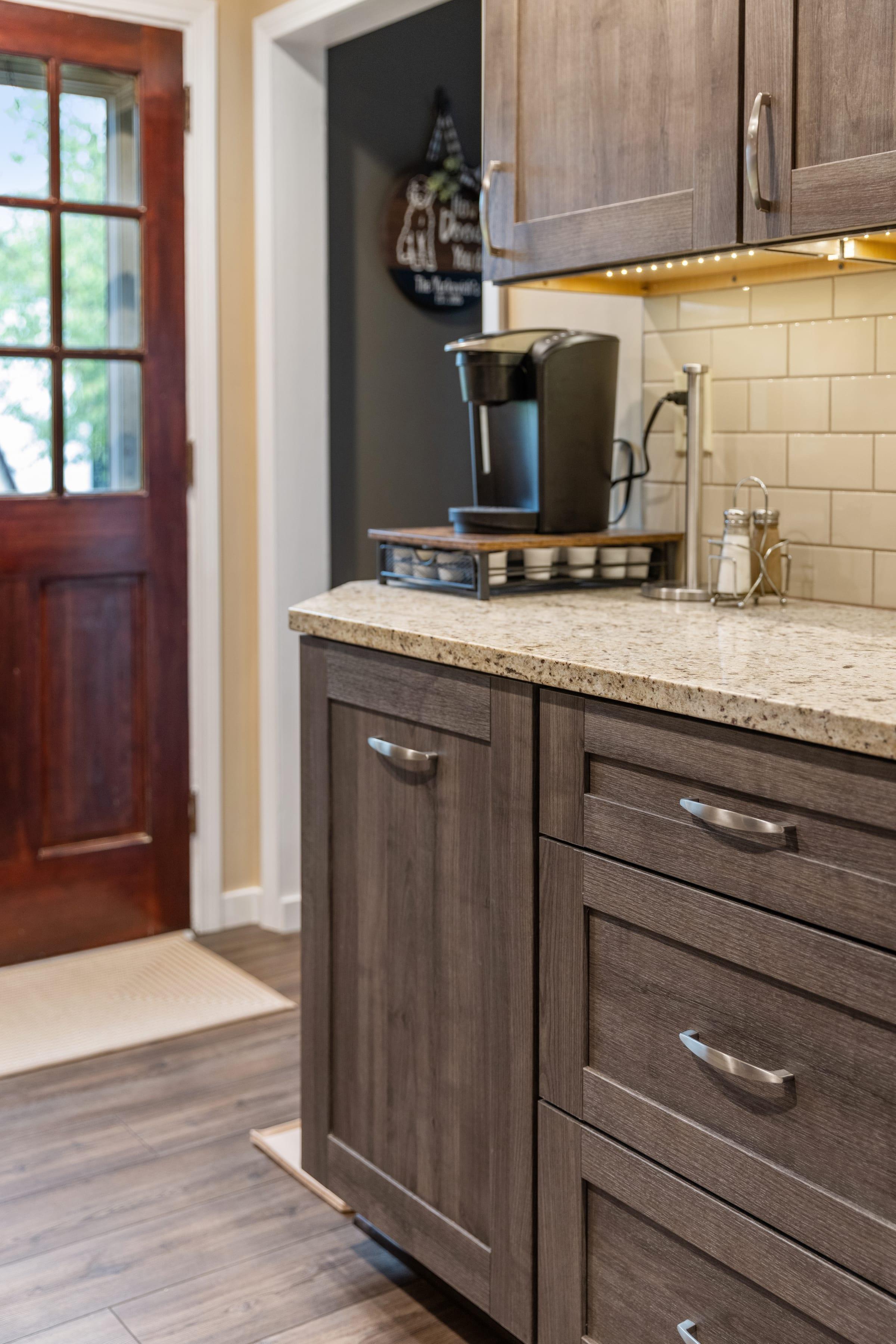
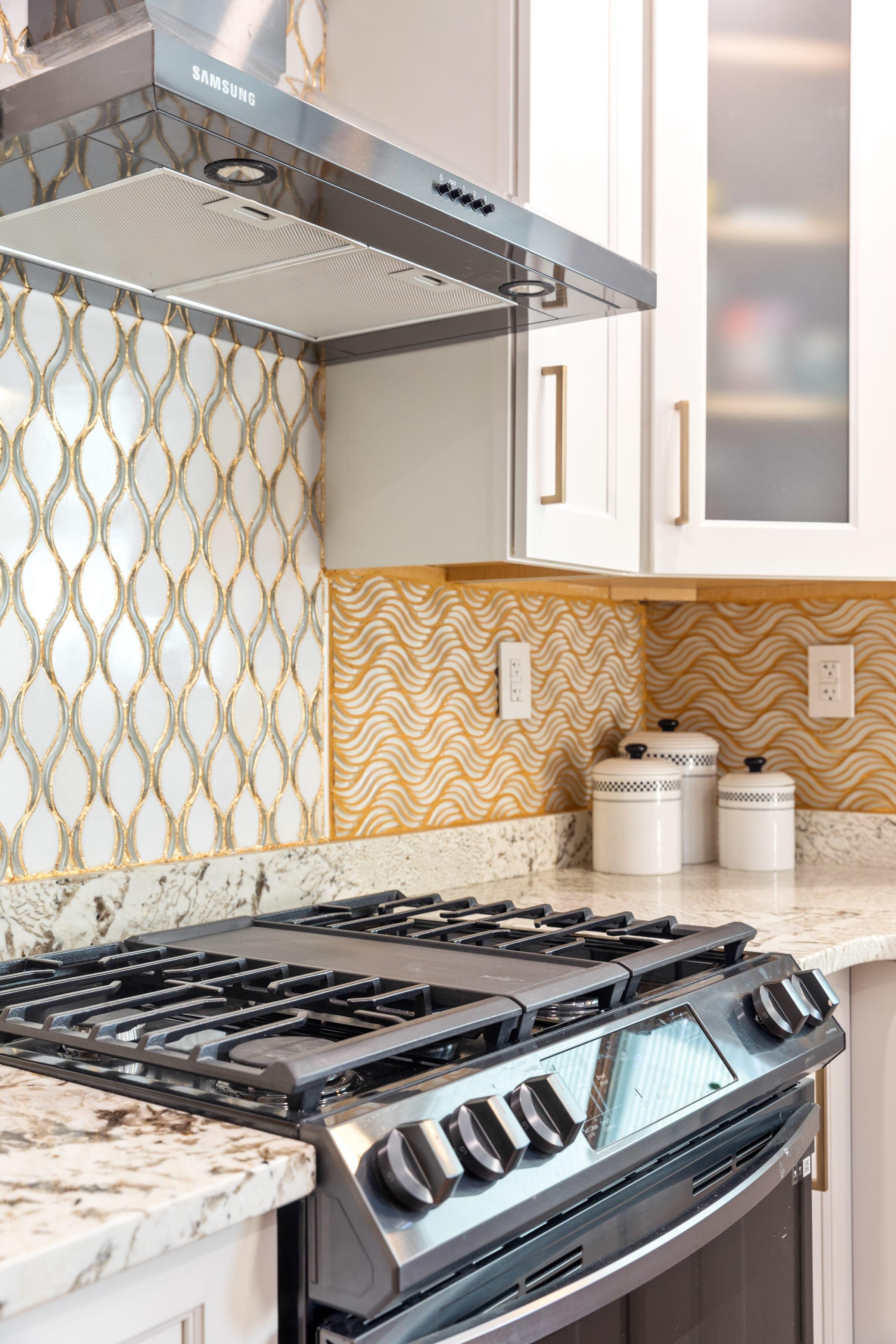
Our kitchens renovation page →
The kitchen is the heart of the home — designed, built, and finished around how you actually cook.

Jordan Kelly is a co-owner and co-founder of Integrated Contracting & Renovations. A Pittsburgh native with an accounting degree from Saint Francis University, he has spent more than 15 years in Pittsburgh real estate and focuses on the numbers behind a renovation — what projects cost, what they return, and how homeowners finance them.
See how we built it.
Related reading.
Radon, Moisture, and Air: Test Before You Finish a Basement
Three things about a basement you cannot judge by looking at it, and all three are cheaper to deal with while the walls are still open. How to test for radon and when, the humidity and condensation checks a waterproofing inspection can miss, what finishing does to the air around a furnace and water heater, and why a radon pipe routed before framing costs you a closet instead of a soffit.
Can You Remodel a Kitchen Before the Holidays?
If you are starting from scratch in late October, no, and the arithmetic is short enough to do on a napkin. When a before-Christmas kitchen genuinely is possible, what has to already be true about cabinets, counters, and appliances, why a holiday deadline is the most dangerous date you can put on a remodel, and how to use November and December so a January start moves fast.
A Kitchen Remodel, Week by Week
Demo, rough-ins, inspection, drywall, cabinets, template, counters, trim, punch list — the real order of operations on a four-to-seven-week Pittsburgh kitchen, drawn from four completed projects. Including the two stretches where you will walk through and see nothing happening, why neither one can be compressed, and the shortcut that ruins a backsplash.