
Home Renovation Ideas Worth the Investment in 2026
What Pittsburgh homeowners are actually building right now — and why these upgrades pay off.
Quick Take: The renovation ideas paying off for Pittsburgh homeowners in 2026 cluster around a few themes: energy upgrades that fight our long heating season, kitchens and baths that still return the most at resale, aging-in-place features built in while the walls are open, and smart-home wiring run during construction instead of retrofitted later. Not every idea fits every house — a 1920s South Hills colonial and a new Peters Township build want different things. If you want real numbers for your own project, start with a free estimate or run the investment calculator.
Sustainable Home Renovation
Sustainable renovation has moved past the early-adopter phase. It’s now a practical choice that saves money and adds value to your home. Pittsburgh’s older housing stock makes these upgrades especially impactful.
Reclaimed and Recycled Materials
Reclaimed wood, salvaged brick, and recycled tile give a renovation character you can’t get from new materials. In a region with as much architectural history as western Pennsylvania, sourcing locally salvaged materials is easier than most places — and the results have a warmth and authenticity that homeowners love.
Energy-Efficient Upgrades
Pittsburgh winters make energy efficiency more than a nice-to-have. The upgrades that deliver the biggest return:
- Replacement windows — Modern double- or triple-pane windows can cut heating costs by 15–25% in older homes.
- Smart thermostats — Programmable climate control that learns your schedule and adjusts automatically.
- Insulation upgrades — Many pre-1980 Pittsburgh homes are under-insulated, especially in attics and basements.
- LED lighting — A simple swap that reduces energy use by up to 75% per fixture.
Living Walls and Green Elements
Interior living walls and integrated planters are showing up in more Pittsburgh renovations. Beyond aesthetics, they improve air quality and humidity levels — a real benefit in homes that run forced air heat for five months a year.
Multifunctional Spaces and Home Offices
Remote and hybrid work isn’t going anywhere. The makeshift desk-in-the-corner setup from 2020 has been replaced by dedicated, thoughtfully designed workspaces.
Built-In Home Offices
The best home office renovations we’ve done this year share a few things: built-in desks with cable management, proper task lighting, acoustic treatment (even basic sound dampening makes a difference on calls), and enough storage to keep the space clean between uses.
Rooms That Do Double Duty
Not every home has a spare room to dedicate to an office. The solution: spaces designed to serve multiple functions without feeling like a compromise.
- Murphy beds with integrated desks — A guest room that works as an office 350 days a year.
- Sliding barn doors and room dividers — Create separation without permanent walls.
- Modular furniture — Tables, seating, and shelving that reconfigure for different needs.
Open floor plans are still popular, but homeowners are finding that some separation — even flexible separation — makes a home more livable.
Biophilic Design: Bringing the Outdoors In
Biophilic design connects your living space to the natural world through materials, light, and organic forms. It’s not just a trend — research consistently shows that homes with natural elements reduce stress and improve well-being.
Natural Materials
Stone countertops, hardwood floors, and wood-clad ceilings create warmth that manufactured materials can’t replicate. In kitchens, natural stone and butcher block are making a strong comeback alongside the quartz that’s dominated for the past decade.
Maximizing Natural Light
Larger windows, skylights, and glass doors transform how a room feels. Pittsburgh gets less natural light than most cities — around 160 sunny days per year — which makes maximizing what you get even more valuable. The most effective approach: window enlargements on south- and west-facing walls where they’ll capture the most daylight.
Indoor Gardens
Dedicated plant shelves, vertical herb gardens in kitchens, and built-in planter boxes are low-cost additions that make a real difference in how a space looks and feels. We’ve installed kitchen herb walls, sunroom planting stations, and even basement grow-light setups for year-round gardening.
Luxury Kitchen and Bathroom Renovations
Kitchens and bathrooms remain the two rooms where renovation investment delivers the strongest return. The current direction: cleaner lines, bolder color choices, and technology that actually makes daily life easier.
Kitchen Renovation Ideas
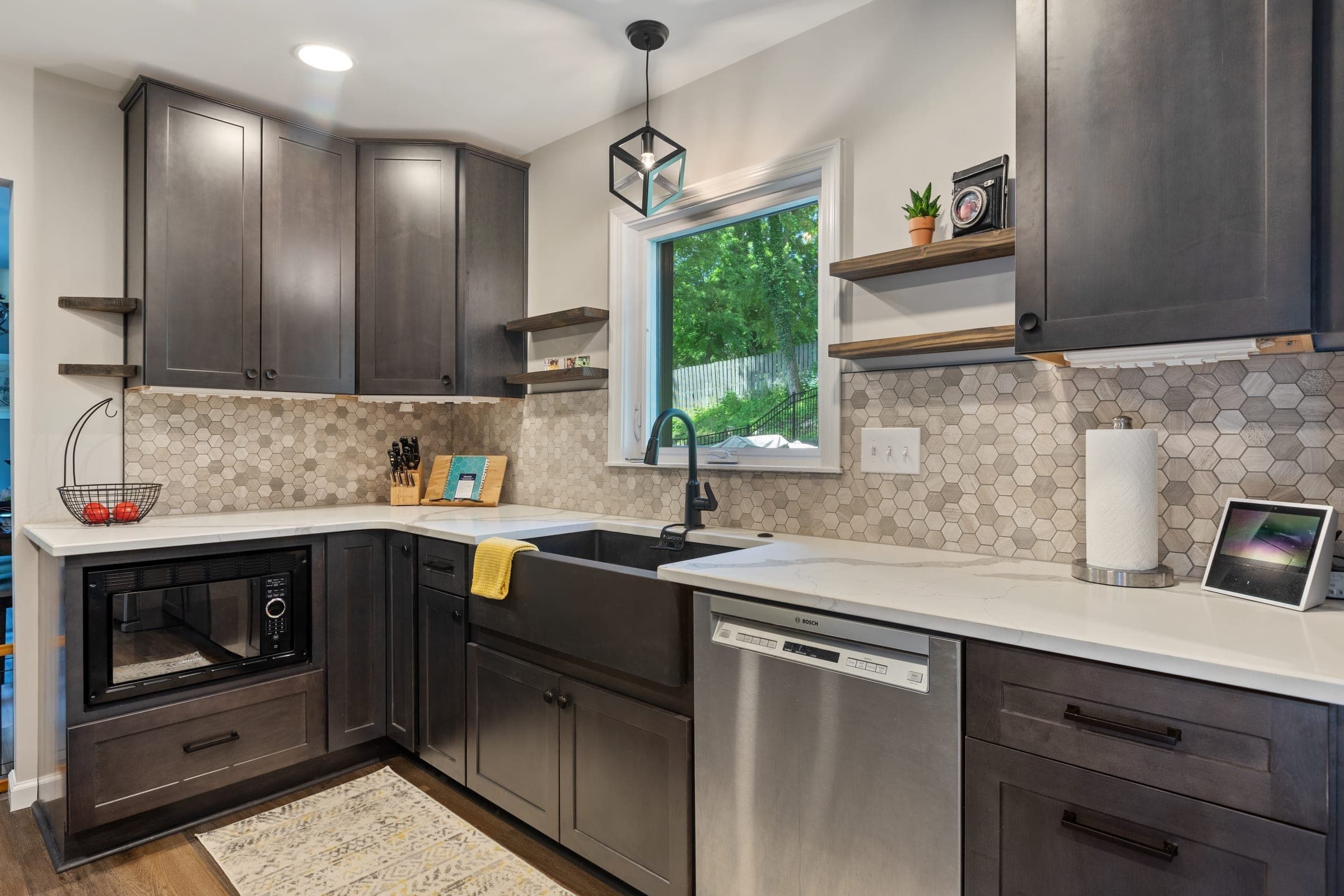
- Bold cabinet colors — Deep greens, navy blues, and matte black are replacing the all-white kitchen. Two-tone combinations — dark base cabinets with lighter uppers — add depth without overwhelming the space.
- Smart appliances — Touchless faucets, induction cooktops, and refrigerators with built-in inventory management are becoming standard in mid-range and up renovations.
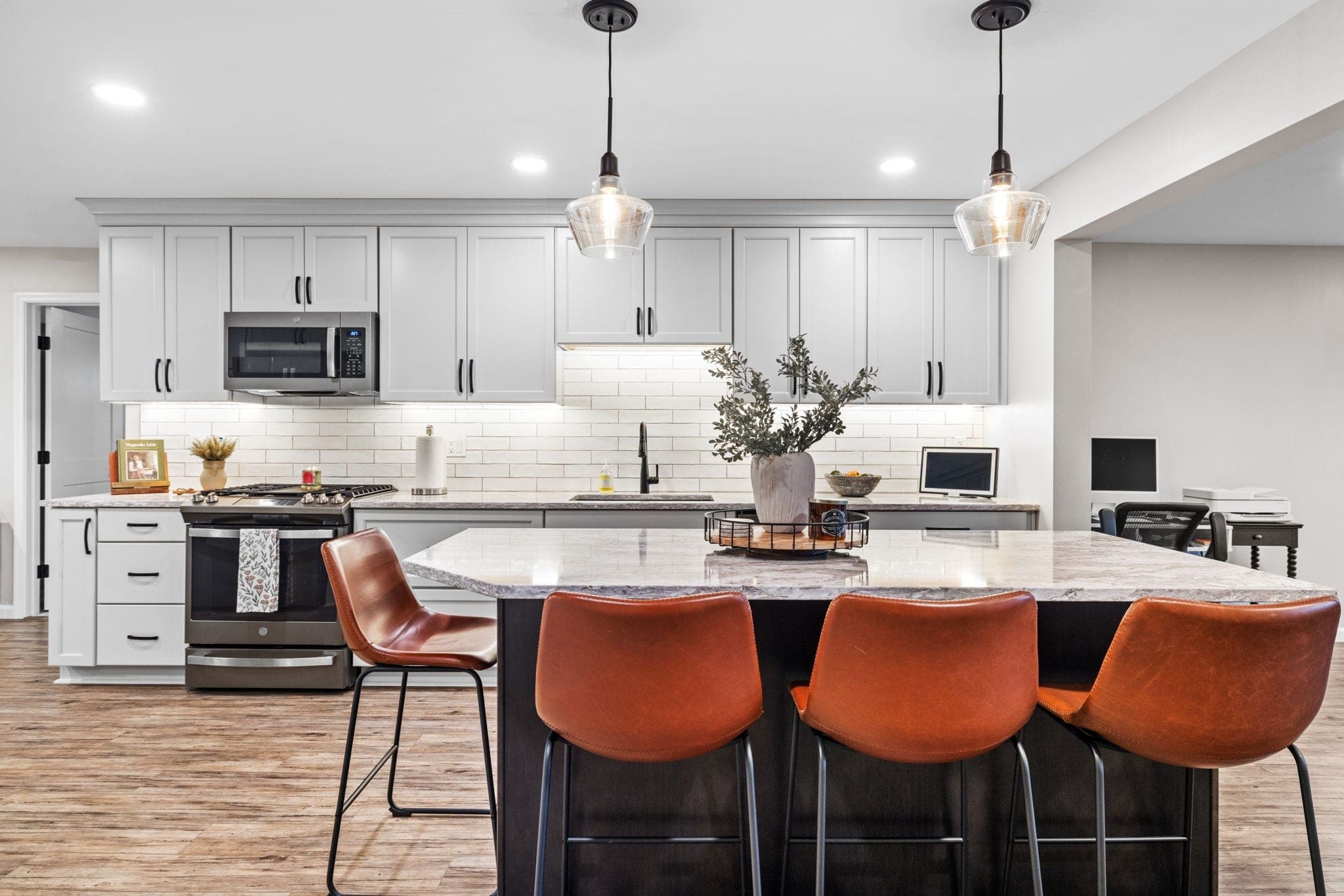
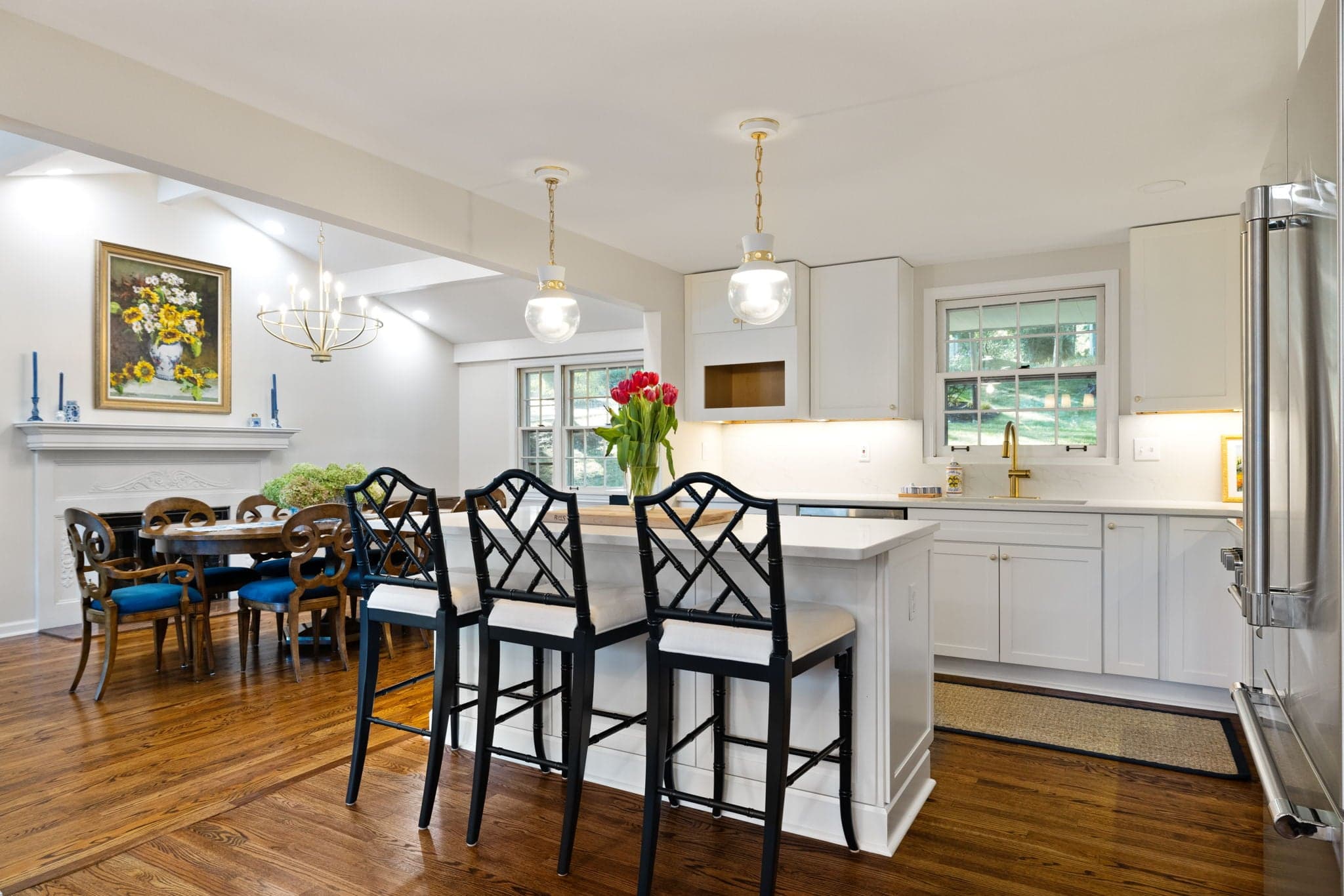
- Oversized islands — The island has become the center of the kitchen — eating, working, and socializing all happen here. We’re building them bigger, with integrated seating and storage.
- Hidden pantries — Walk-in pantries with pocket or barn doors keep clutter out of the main kitchen while giving you real storage.
Spa-Like Bathroom Ideas
- Curbless showers — Frameless glass, linear drains, and floor-level entry create a seamless, modern look.
- Freestanding soaking tubs — A statement piece that turns a master bath into a retreat.
- Heated floors — Radiant floor heating under tile is one of the highest-satisfaction upgrades we install — especially on cold Pittsburgh mornings.
- Backlit mirrors and LED niches — Ambient lighting that elevates the space without a major investment.
Smart Home Renovation
Smart home technology has matured past the novelty stage. The systems worth investing in are the ones you stop noticing because they just work.
- Integrated lighting control — Scene-based lighting that adjusts throughout the day — bright for cooking, dim for dinner, off when you leave.
- Voice-controlled fixtures — Blinds, thermostats, and lighting you can control without touching a switch.
- Smart security — Doorbell cameras, smart locks, and motion-activated lighting give you visibility and control from anywhere.
- Whole-home audio — In-ceiling speakers wired during renovation cost a fraction of retrofit and deliver far better sound.
The key to smart home renovation: plan the wiring and infrastructure during construction, even if you’re not installing every device right away. Running low-voltage wire and network cable during a remodel costs almost nothing. Retrofitting it later costs a lot.
Outdoor Living Space Ideas
Pittsburgh’s four-season climate used to limit outdoor living to a few months. Modern materials and design have changed that. We’re building outdoor living spaces that homeowners use from April through November — and sometimes year-round.
- Outdoor kitchens — Built-in grills, countertops, sinks, and refrigerators turn a patio into a full outdoor kitchen and entertaining space.
- Fire features — Gas fire pits and fireplaces extend the season by months and create a natural gathering point.
- Covered structures — Pergolas with retractable canopies and pavilions with ceiling fans keep you comfortable in rain or sun.
- Seamless transitions — Large sliding or folding glass doors blur the line between your kitchen and your patio, making both spaces feel bigger.
Aging in Place Renovations
Designing for long-term accessibility isn’t just for older homeowners. More families are building these features into renovations now — while the walls are open and the cost is minimal — rather than retrofitting later.
Bathroom Accessibility
The bathroom is where aging-in-place renovations have the biggest impact. Curbless showers, comfort-height toilets, and strategically placed grab bars (designed to look like towel bars, not hospital fixtures) combine safety with style. These features also appeal to buyers if you ever sell — accessibility is a selling point, not a compromise.
First-Floor Living
Adding a first-floor master suite — or converting a dining room or den into a bedroom — eliminates stairs from daily life. In Pittsburgh’s two- and three-story housing stock, this is one of the most practical renovations for long-term livability.
Smart Safety Features
Motion-sensor lighting in hallways and bathrooms, smart locks that eliminate fumbling with keys, and video doorbells that let you see who’s there without getting up — these small additions make a meaningful difference in daily comfort and safety.
Personalized Design Details
The strongest renovation trend we’re seeing isn’t a specific material or style — it’s homeowners making deliberate choices that reflect how they actually live, rather than following a catalog.
- Statement ceilings — Painted, coffered, or wood-planked ceilings add character to rooms that otherwise look like every other renovation.
- Custom built-ins — Window seats, mudroom cubbies, and floor-to-ceiling bookshelves solve storage problems while adding architectural detail.
- Artisan finishes — Handmade tile, custom hardware, and locally crafted light fixtures give a renovation a personality that mass-produced materials can’t match.
Which Renovation Ideas Are Right for Your Home?
Every home is different, and the best renovation ideas for your project depend on your home’s age, your neighborhood, your budget, and how you plan to use the space. A 1960s Mt. Lebanon colonial has different needs than a new build in Peters Township.
What stays consistent: invest in the projects you’ll use every day (kitchens, bathrooms, primary living spaces), build in infrastructure for the future (wiring, accessibility, energy efficiency), and choose materials that hold up over time rather than chasing the latest trend.
Common questions
Which renovation ideas actually pay off in Pittsburgh?
Kitchens and bathrooms return the most at resale, and they happen to be the rooms you use every day. After that, the upgrades that pay off here are the ones that fight our climate — attic insulation, efficient windows, and finished basements that add usable square footage. We break the numbers down in our renovation ROI guide.
Are energy-efficient upgrades worth it in an older Pittsburgh home?
Usually yes. We run forced-air heat close to five months a year, so under-insulated attics and single-pane windows cost you every winter. In pre-1980 housing stock, replacement windows and attic insulation tend to earn their keep the fastest.
Should I build aging-in-place features in now or wait until I need them?
Now, while the walls are already open. A curbless shower, blocking for future grab bars, and a first-floor bedroom option cost far less to build during a renovation than to retrofit later — and done well, they read as design choices, not medical equipment. More on that in our aging-in-place guide.
How do I figure out which of these ideas fit my house?
Start with your home’s age, your neighborhood, and how long you plan to stay. A 1920s South Hills colonial and a newer Peters Township build want different things. The fastest way to get real numbers is a free estimate or a run through our investment calculator.
Our whole-home renovation page →
Full renovations managed from first sketch to final walk-through.

Jordan Kelly is a co-owner and co-founder of Integrated Contracting & Renovations. A Pittsburgh native with an accounting degree from Saint Francis University, he has spent more than 15 years in Pittsburgh real estate and focuses on the numbers behind a renovation — what projects cost, what they return, and how homeowners finance them.
See how we built it.
Related reading.
Bathroom Renovation in Mt. Lebanon: What a Full Gut Actually Adds
Mt. Lebanon's older homes hide their bathrooms' age well until you start the work. Here's what a full gut remodel involves in a 1920s four-square, why waterproofing done right is the part you're really paying for, what it returns in equity, and how to budget it before you call anyone.
Kitchen Design Trends for 2026: What's In, What's Out, and What Lasts
What we're actually installing in Pittsburgh kitchens this year — the warmer palettes and honest materials that are in, the tired looks that are on the way out, and the difference between a trend worth chasing and one that'll date your kitchen in five years. Plus how to budget it with real recapture math.
Try Our Renovation Investment Calculator Before You Call a Contractor
The first question every homeowner has is "what will this cost?" — and most contractors won't answer it until they're standing in your kitchen. Our free investment calculator gives you an honest starting range in about thirty seconds, built from real ICR project data.