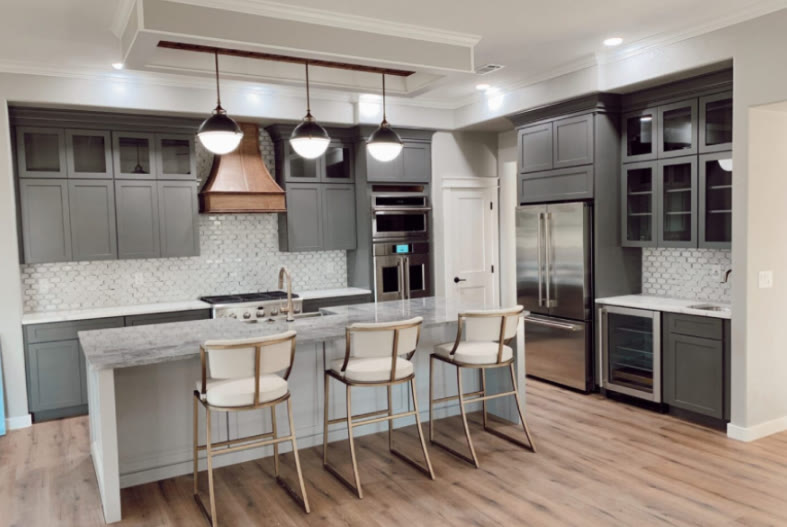
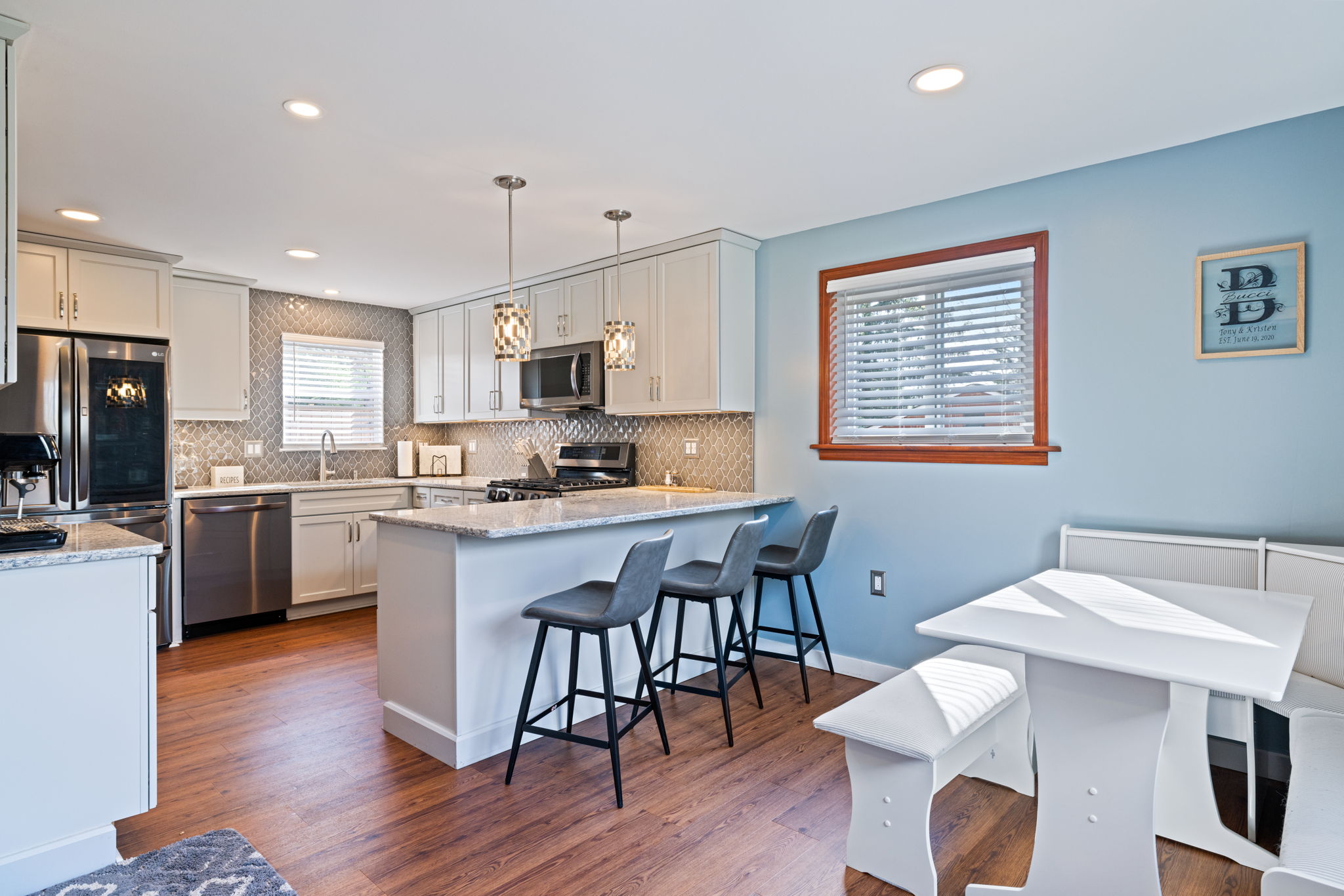
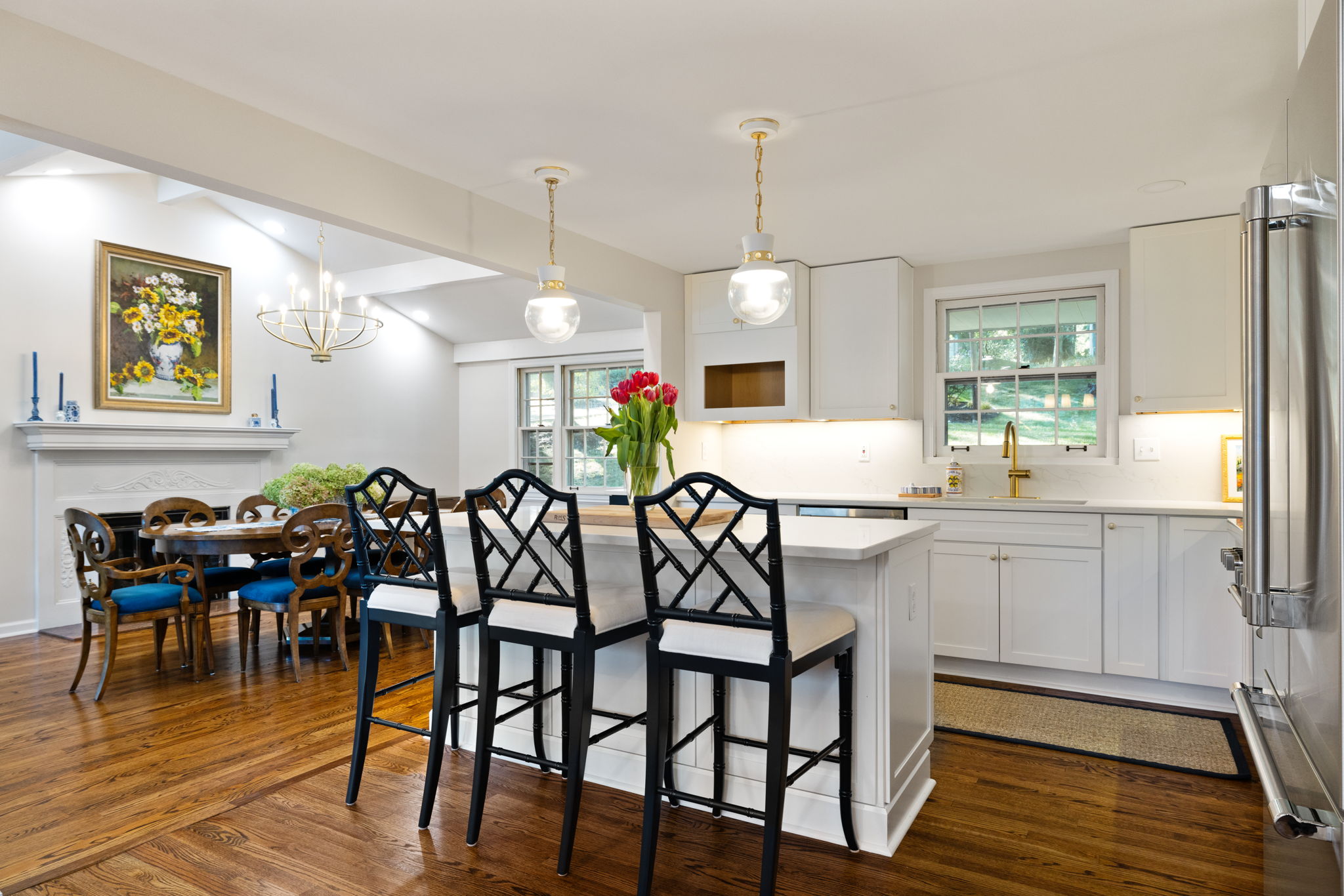
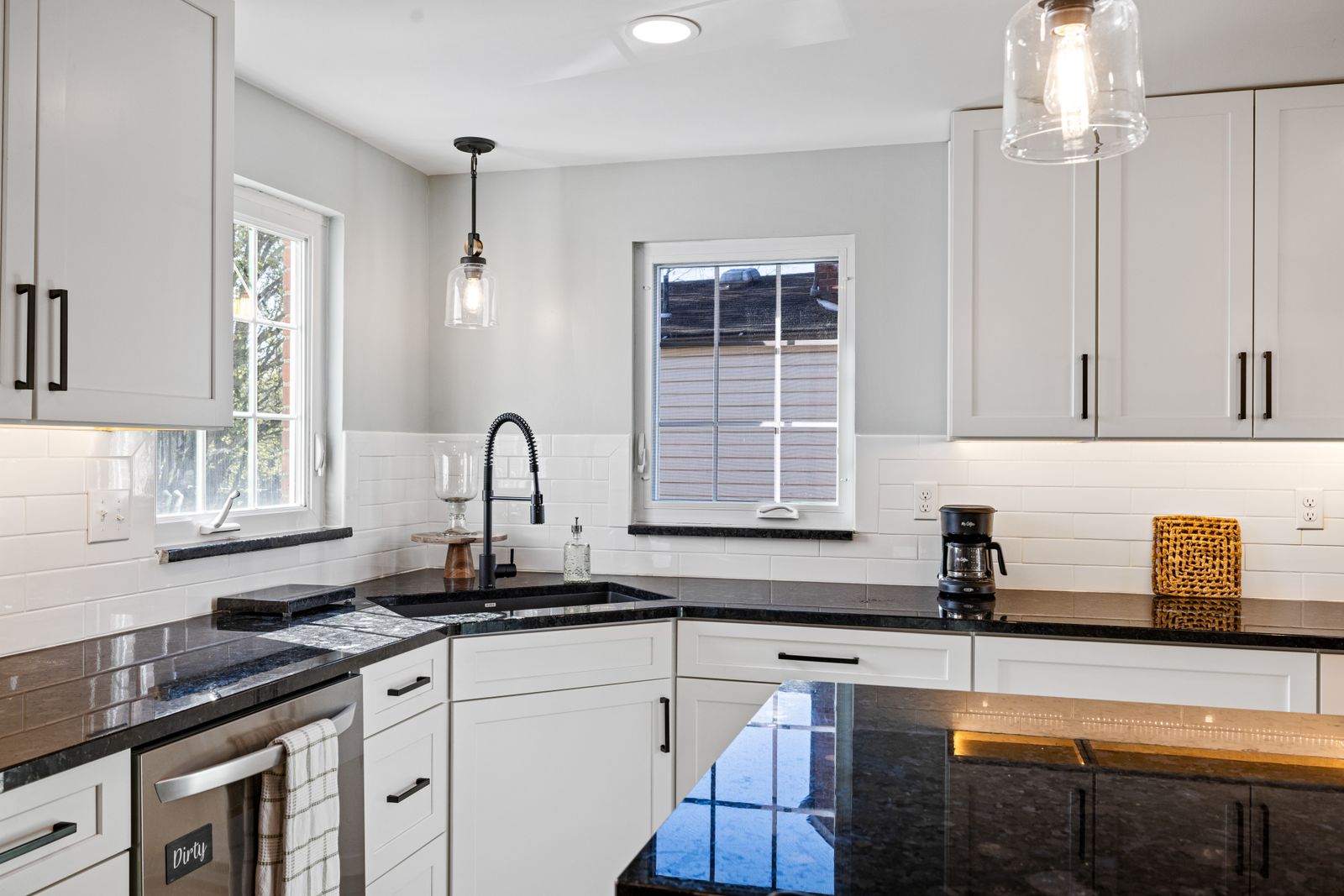
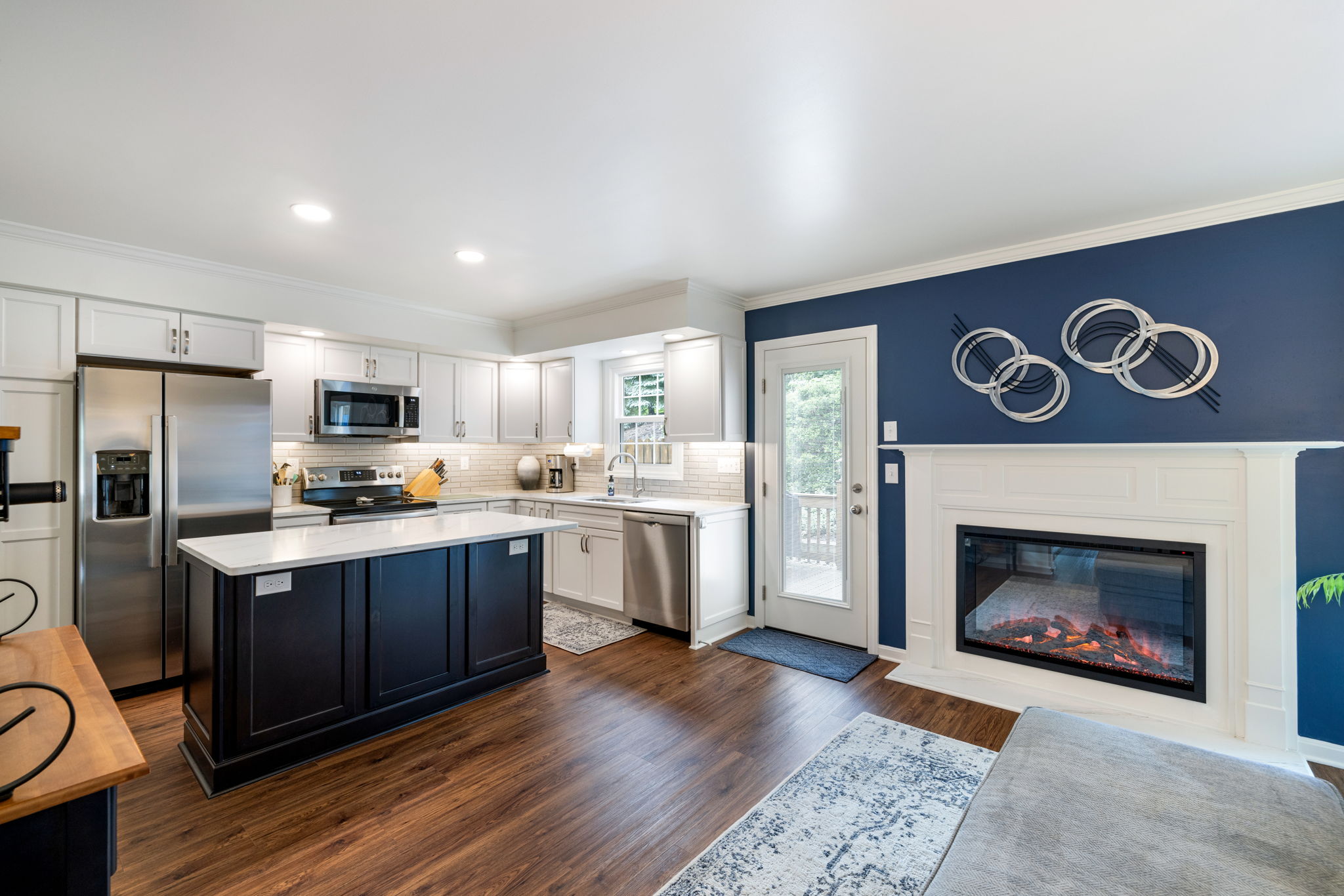
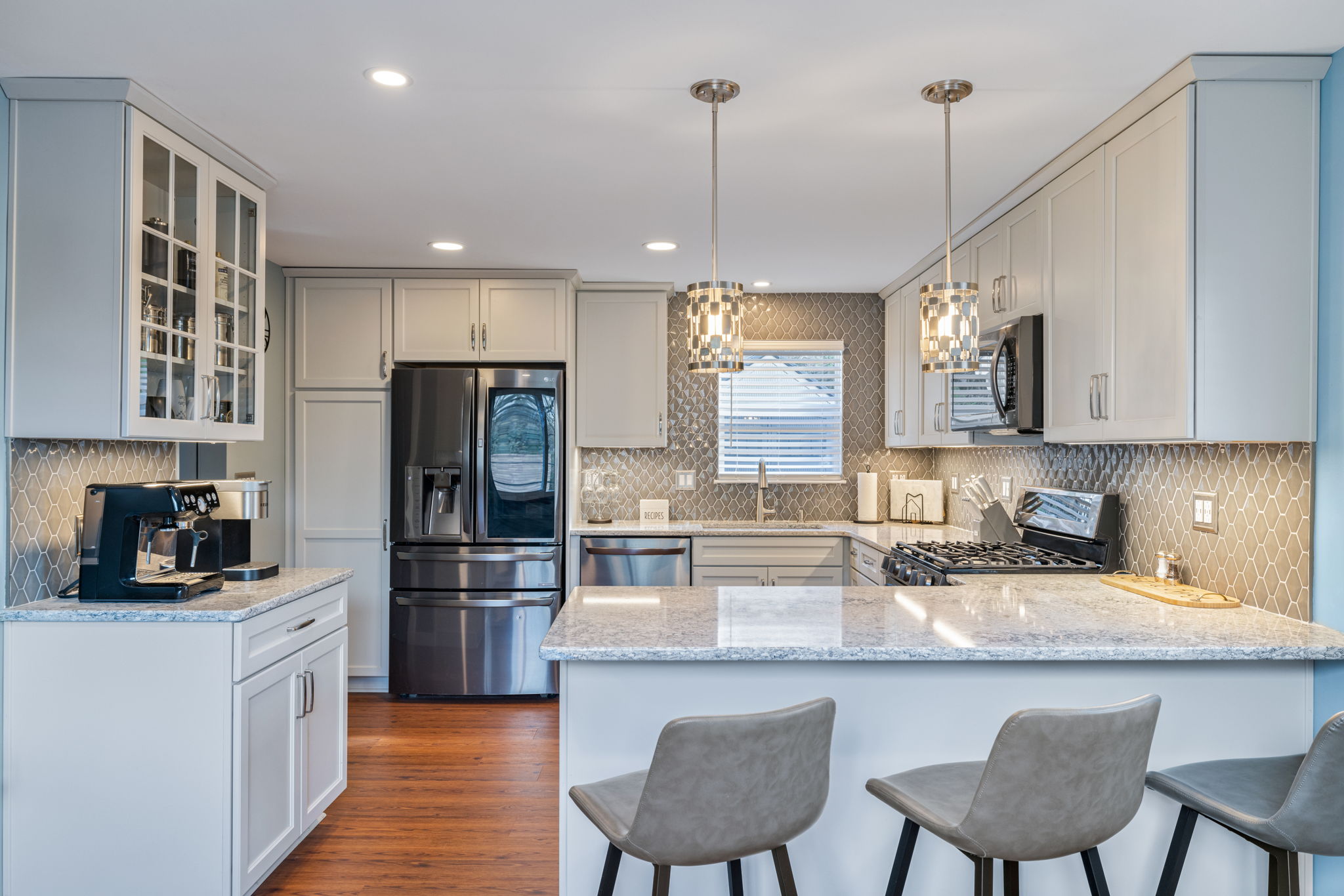
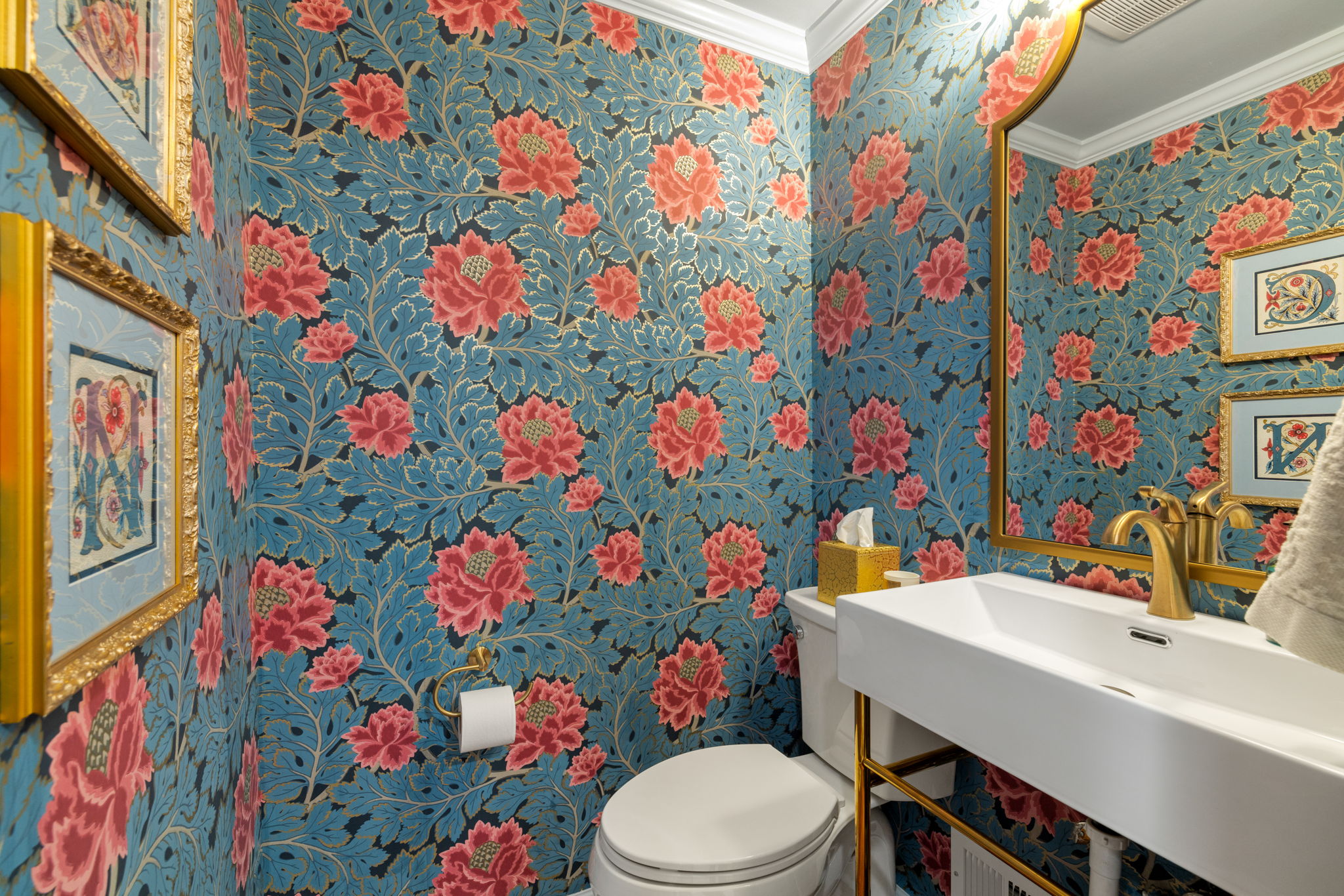
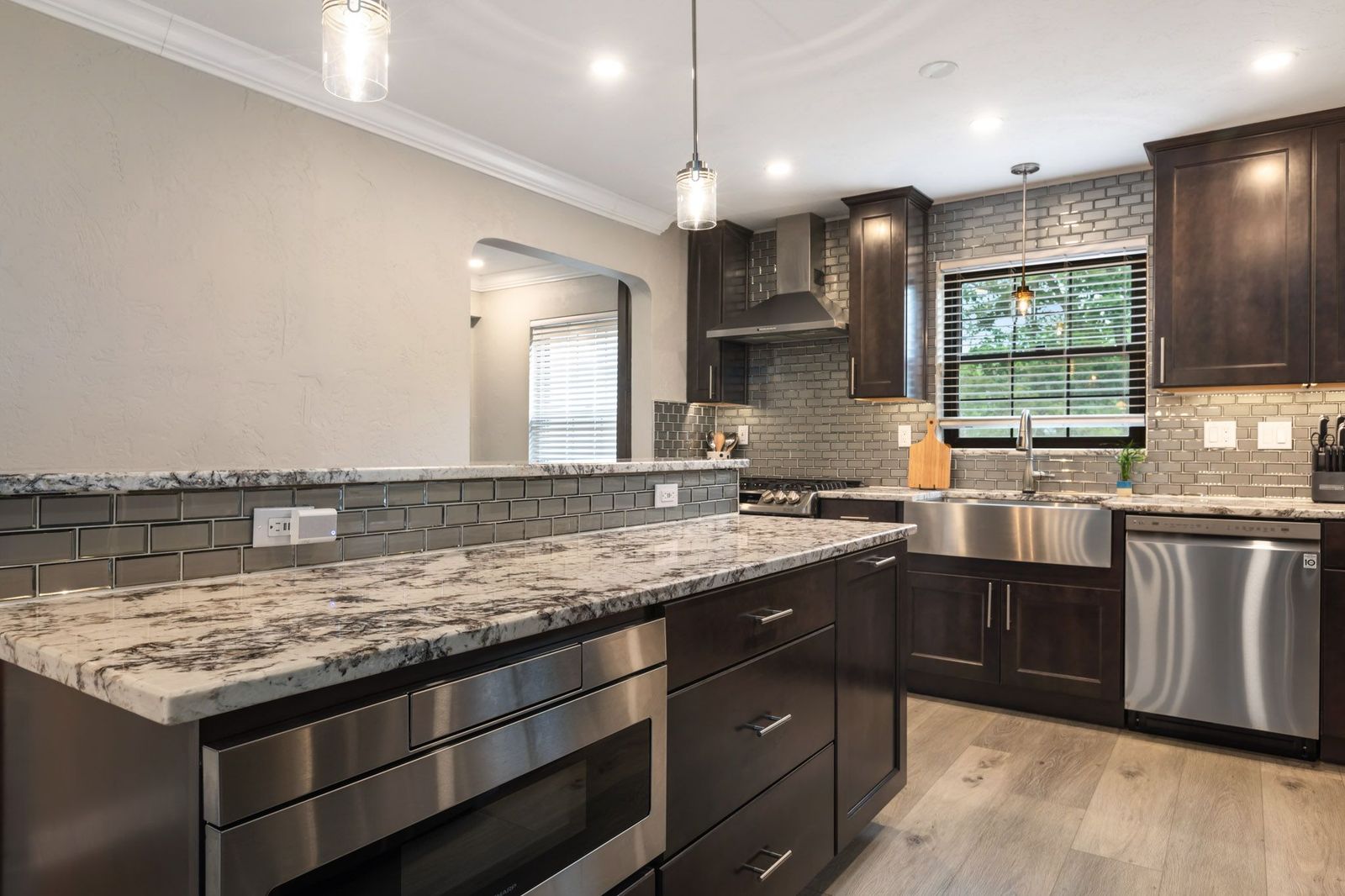
Your complete resource for kitchen design ideas, from timeless traditional to cutting-edge contemporary. Discover the style that's right for your Pittsburgh home.
Planning a kitchen remodel is one of the most exciting home improvement projects you can undertake. The kitchen is the heart of your home, where families gather, meals are prepared, and memories are made. Choosing the right kitchen design style sets the tone for your entire living space.
In this comprehensive guide, we'll explore every major kitchen design style, from timeless traditional aesthetics to modern minimalist approaches. Whether you're looking for kitchen design ideas for a complete renovation or simple updates to refresh your space, you'll find inspiration and practical advice to help you create the kitchen of your dreams.
As Pittsburgh's trusted kitchen remodeling contractor, we've helped hundreds of homeowners transform their kitchens. We've distilled that experience into this guide to help you navigate the many choices ahead.
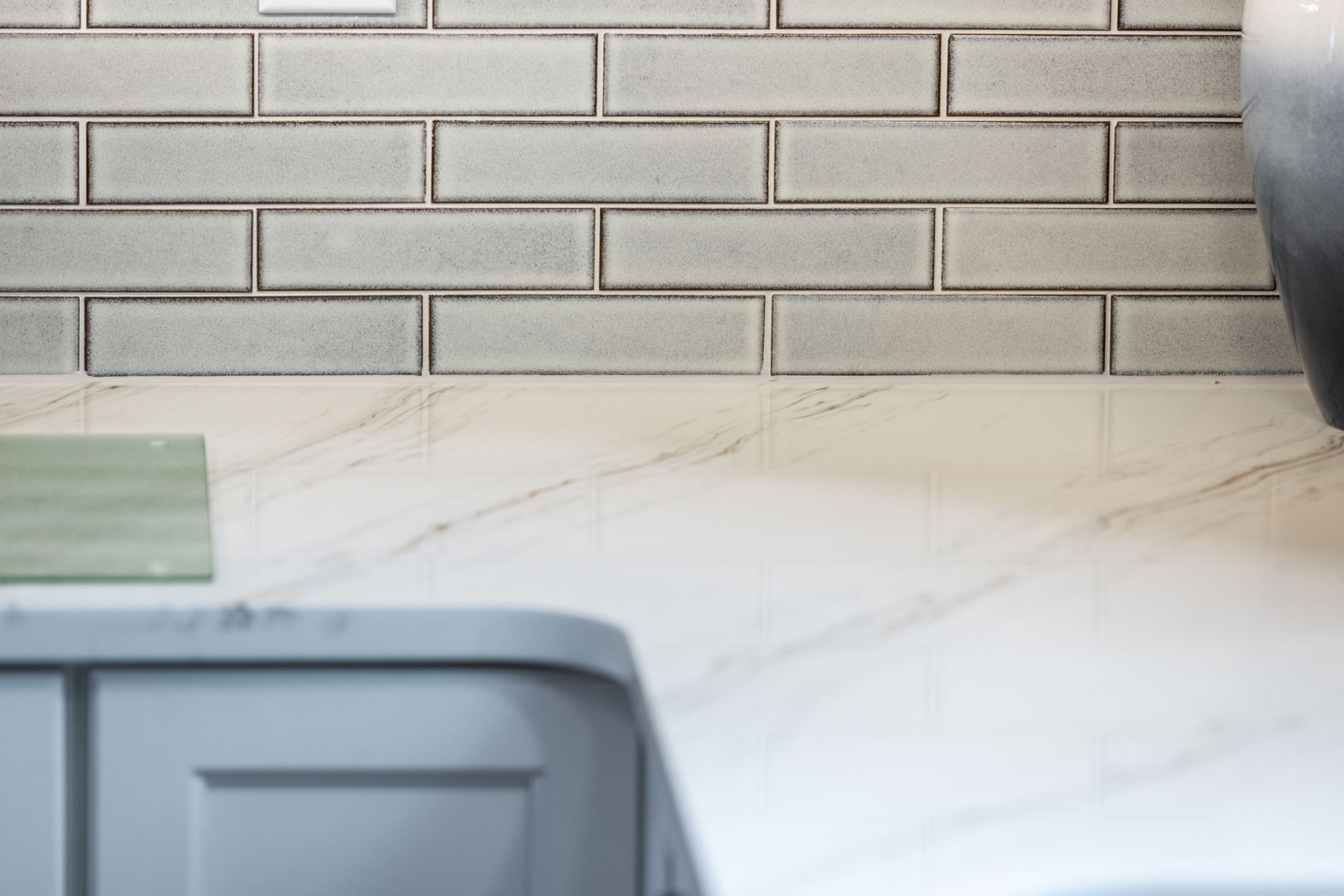
Modern kitchen design emerged from the mid-20th century modernist movement, emphasizing clean lines, minimal ornamentation, and a focus on functionality. Today, modern kitchens remain one of the most popular kitchen design styles for homeowners seeking a sleek, uncluttered aesthetic.
Modern kitchen design ideas work particularly well in open-concept homes, loft apartments, and new construction where the architecture supports clean, geometric forms. The style pairs beautifully with contemporary furniture and art.
Current modern kitchen trends include warm wood tones balanced with matte black fixtures, waterfall kitchen islands with book-matched stone, and the integration of smart home technology. We're also seeing increased interest in sustainable materials and energy-efficient appliances as part of modern kitchen design.
Traditional kitchen design draws inspiration from 18th and 19th century European aesthetics, offering timeless elegance that never goes out of style. This classic approach features ornate details, rich materials, and a warm, inviting atmosphere.
Traditional kitchen design ideas suit Pittsburgh's many historic homes, including Victorian, Colonial, and Georgian architecture. This timeless kitchen design approach creates spaces that feel established and sophisticated while remaining warm and welcoming.
Transitional kitchen design blends the best of traditional and contemporary styles, creating a balanced aesthetic that appeals to homeowners who appreciate both classic elegance and modern simplicity. This versatile style has become the most popular choice for kitchen remodels nationwide.
Transitional kitchen design ideas offer maximum flexibility and broad appeal. This style adapts easily to different home styles, personal tastes, and evolving trends, making it an excellent choice for homeowners concerned about resale value.
Farmhouse kitchen design captures the warmth and charm of rural American homes, combining rustic elements with modern comfort. Also known as country kitchen design, this style creates cozy, inviting spaces perfect for family gatherings.
Modern farmhouse kitchen design has evolved to include cleaner lines and more sophisticated finishes while retaining that essential warmth. This style works beautifully in suburban homes and creates a welcoming atmosphere for families who love to cook and entertain.
Contemporary kitchen design differs from modern in that it reflects current trends rather than a specific historical period. Contemporary kitchens are constantly evolving, incorporating the latest materials, technologies, and design innovations.
Contemporary kitchen design ideas push boundaries and make statements. This style suits homeowners who want their kitchen to reflect their personality and stay current with design trends. Urban lofts and modern new construction provide ideal settings for contemporary kitchen design.
Craftsman kitchen design honors the Arts and Crafts movement of the early 20th century, emphasizing handcrafted quality, natural materials, and honest construction. This style celebrates the beauty of woodwork and artisanal details.
Craftsman kitchen design complements Pittsburgh's many Craftsman bungalows and Arts and Crafts homes. This style celebrates quality construction and creates kitchens that feel like they've always been part of the home.
Minimalist kitchen design takes the "less is more" philosophy to its logical conclusion, creating serene spaces where every element serves a purpose. This style appeals to homeowners seeking calm, uncluttered environments.
Minimalist kitchen design ideas require thoughtful planning to ensure adequate storage and functionality. When executed well, these kitchens offer peaceful retreats from busy lives while remaining highly practical for daily use.
Luxury kitchen design incorporates premium materials, professional-grade appliances, and custom craftsmanship to create extraordinary spaces. These high-end kitchens serve as showcases for culinary excellence and gracious entertaining.
Luxury kitchen design represents the pinnacle of residential kitchen remodeling. These projects require experienced designers and craftsmen to bring ambitious visions to life while ensuring every detail meets exacting standards.
Scandinavian kitchen design brings the clean, functional aesthetic of Nordic countries to your home. Rooted in the principles of hygge (coziness) and lagom (balance), Scandinavian kitchens prioritize simplicity, natural light, and thoughtful functionality.
Scandinavian kitchen design ideas work beautifully in smaller spaces where the emphasis on light and simplicity creates an open, airy feel. This style pairs well with modern architecture and open floor plans common in Pittsburgh's newer developments and renovated urban spaces.
Industrial kitchen design draws inspiration from converted warehouses, factories, and lofts of the early 20th century. This bold aesthetic celebrates raw materials, exposed structural elements, and the beauty of utilitarian design.
Industrial kitchen design ideas suit Pittsburgh's urban lofts and warehouse conversions particularly well, connecting to our city's industrial heritage. This style makes a bold statement and works best in spaces with high ceilings and plenty of square footage.
Mediterranean kitchen design captures the warmth and romance of coastal European homes, from Italian villas to Spanish haciendas. This inviting style emphasizes rich textures, warm colors, and handcrafted details that create spaces perfect for gathering and entertaining.
Italian kitchen design and Tuscan kitchen design fall under this Mediterranean umbrella, each with regional variations. This style creates warm, welcoming kitchens that encourage lingering conversation and leisurely meals with family and friends.
Japandi kitchen design represents one of the most exciting emerging trends, blending Japanese minimalism with Scandinavian functionality. This fusion style combines the wabi-sabi appreciation for imperfection with Nordic hygge coziness, creating serene yet inviting spaces.
Japandi kitchen design ideas represent the cutting edge of 2025-2026 kitchen trends. This style appeals to homeowners seeking calm, mindful spaces that honor both Eastern and Western design traditions. The emphasis on quality over quantity aligns with sustainable design principles gaining traction today.
Outdoor kitchen design extends your living space beyond four walls, creating year-round entertainment areas perfect for Pittsburgh's summer gatherings and fall tailgates. A well-designed outdoor kitchen can dramatically increase your home's value while expanding how you use your property.
When planning your outdoor kitchen design, consider how you'll use the space across seasons. Popular additions include pizza ovens, smokers, warming drawers, and outdoor fireplaces. The best outdoor kitchen layouts position the cooking area with consideration for wind direction, sun exposure, and proximity to your indoor kitchen.
For Pittsburgh homeowners, outdoor kitchen design requires attention to weatherization and material selection that can handle our freeze-thaw cycles. Stone veneer, stainless steel, and properly sealed granite countertops perform well in our climate while requiring minimal maintenance.
Kitchen lighting design transforms how your space looks and functions. The right lighting plan layers multiple light sources to create a kitchen that's both practical for meal preparation and inviting for gatherings. In 2025-2026, kitchen lighting trends emphasize statement fixtures and smart technology.
Effective kitchen lighting design considers both daylight and artificial light throughout the day. Position task lighting to eliminate shadows on work surfaces, and install dimmers to adjust ambiance for different occasions. A professional lighting plan ensures you have the right fixtures in the right places.
Kitchen pantry design has evolved from simple storage closets to dedicated food preparation and organization zones. A well-designed pantry reduces kitchen clutter, keeps ingredients accessible, and can even include secondary prep space. Walk-in pantries and butler's pantries are among the most requested features in kitchen remodels.
Whether you're designing a full walk-in pantry or optimizing a reach-in closet, thoughtful pantry design dramatically improves kitchen functionality. Consider your cooking habits, family size, and shopping frequency when planning pantry storage capacity.
Small kitchen design requires creative solutions to maximize functionality in limited space. With thoughtful planning, even compact kitchens can be stylish, efficient, and enjoyable to use.
Galley Kitchen Design: Two parallel walls of cabinets create an efficient work triangle in narrow spaces. This layout maximizes storage and counter space while keeping everything within easy reach.
L-Shaped Kitchen Design: Cabinets along two perpendicular walls open up the space and often allow room for a small dining area or island.
One-Wall Kitchen Design: All appliances and cabinets along a single wall work well in studio apartments and open-concept spaces.
U-Shaped Kitchen Design: Cabinets on three walls provide maximum storage for small footprints, though this can feel enclosed without proper lighting.
Kitchen cabinet design has the biggest impact on your kitchen's overall look. Understanding different kitchen cabinet styles helps you make informed decisions during your remodel.
Shaker Style: The most versatile and popular kitchen cabinet style features a five-piece door with a flat center panel and simple square edges. Shaker cabinets work in traditional, transitional, farmhouse, and even modern settings.
Flat Panel (Slab): Modern kitchen cabinet design often uses flat, frameless doors with no detail. These sleek surfaces create contemporary aesthetics and are easy to clean.
Raised Panel: Traditional kitchen cabinet styles feature doors with a center panel that protrudes, often with decorative edge profiles. This classic look suits formal traditional kitchens.
Beadboard: Vertical grooves in the center panel create cottage or farmhouse character. This kitchen cabinet door style adds texture and visual interest.
Glass Front: Cabinet doors with glass inserts display china, glassware, or decorative items. Options include clear, frosted, seeded, or leaded glass.
Kitchen design trends continue to evolve, reflecting changes in how we live, cook, and gather. Here are the top kitchen trends shaping remodels in 2025 and heading into 2026.
While trends come and go, some choices may feel dated quickly. Consider avoiding:
Timeless kitchen design balances current preferences with enduring quality. When investing in a kitchen remodel, prioritize durable materials and classic proportions while incorporating trends through easily changeable elements like hardware, lighting, and accessories.
Selecting the right kitchen design style involves balancing personal preferences with practical considerations. Here's a framework for making this important decision.
Your kitchen should complement your home's overall style. A ultra-modern kitchen may feel out of place in a Victorian home, while an ornate traditional kitchen might clash with mid-century modern architecture. Transitional kitchen design offers the most flexibility across architectural styles.
Serious home cooks may prioritize function over form, preferring commercial-style appliances and durable surfaces. Families with young children need easy-clean materials and safe layouts. Frequent entertainers might want open designs with ample seating.
Be honest about your maintenance tolerance. High-gloss cabinets show fingerprints. White marble stains. Some styles require more upkeep than others. Choose finishes and materials that work with your daily life.
If you may sell your home in the future, broad-appeal styles like transitional kitchen design typically offer better returns. Very personalized or niche designs may limit your buyer pool.
A skilled kitchen designer can help you translate your vision into a cohesive plan, navigate material selections, and avoid costly mistakes. Professional kitchen design services are worthwhile investments that pay dividends in the final result.
At Integrated Contracting & Renovation, we specialize in custom kitchen remodels that reflect your unique style and needs. From initial design consultation through final installation, our team guides you through every decision.
Whether you're drawn to modern minimalism, traditional elegance, or something in between, we have the expertise to bring your vision to life. Our portfolio includes kitchens in every style explored in this guide, built to the highest standards for Pittsburgh homeowners.
Looking for more kitchen inspiration? Check out these related resources: