What Pittsburgh homeowners are actually building right now—and why these upgrades pay off.
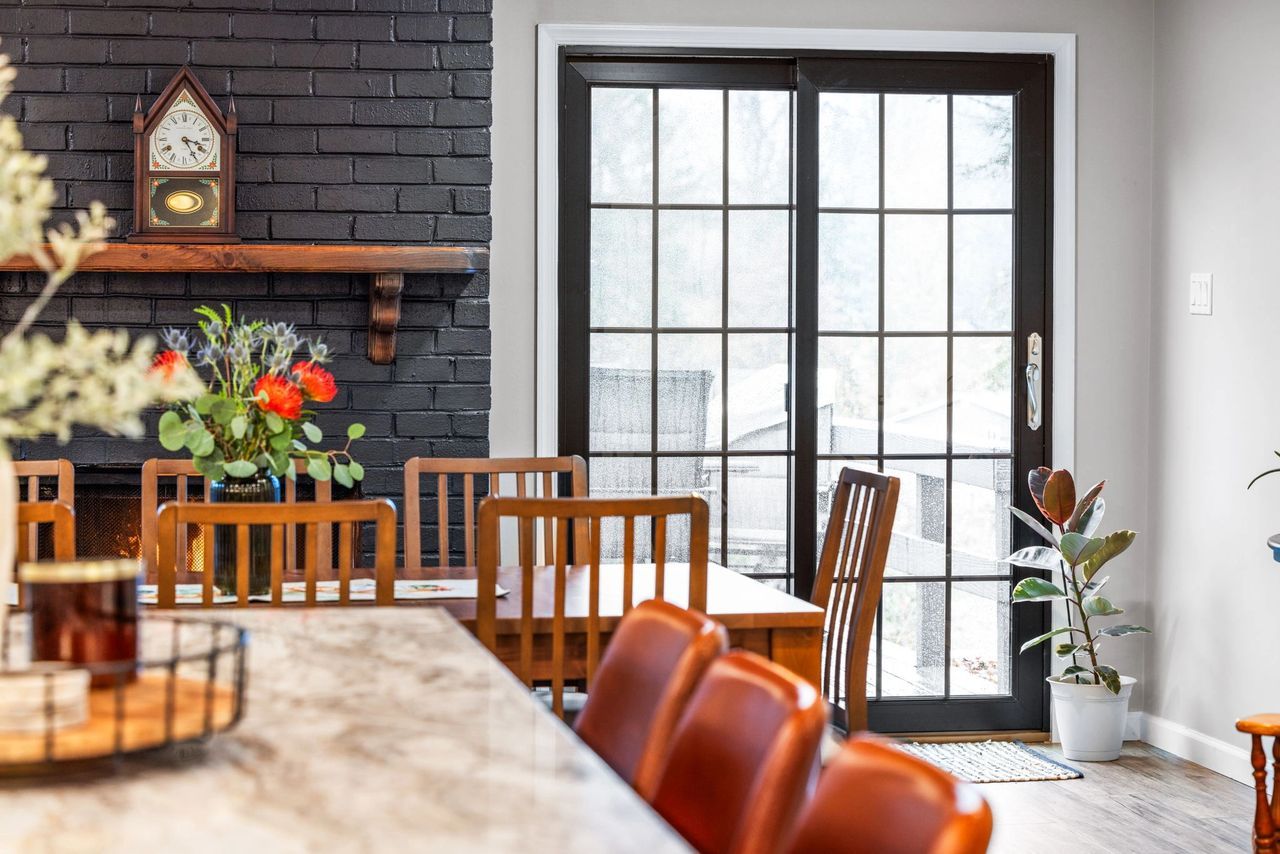
Every year brings new renovation ideas, but not all of them make sense for your home or your budget. The projects worth doing in 2026 share a common thread: they solve real problems, they hold their value, and they make your home work better for how you actually live.
Here's what we're building for homeowners across the South Hills right now—and why each of these renovation ideas is worth considering for your next project.
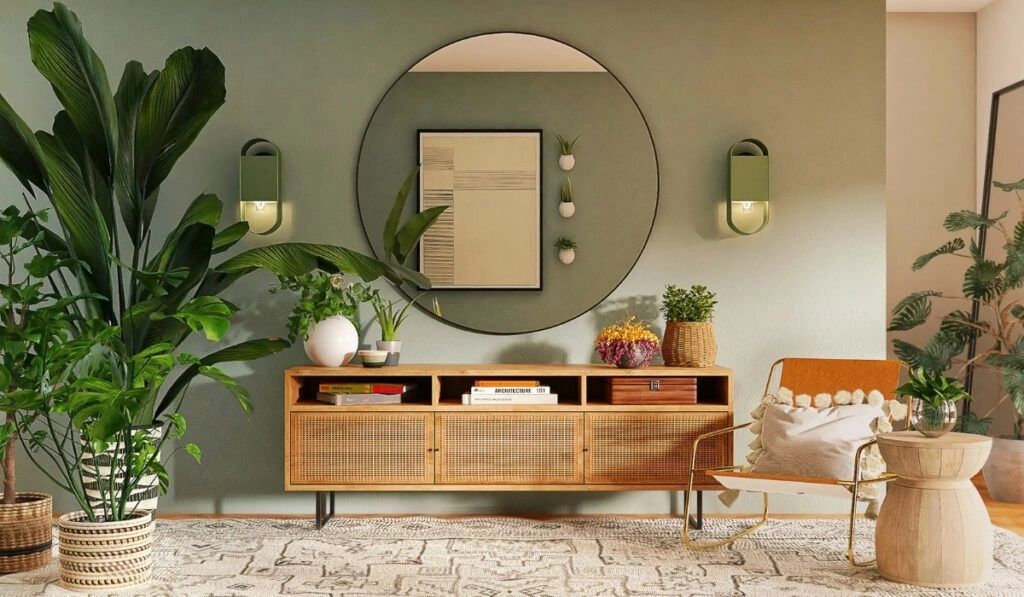
Sustainable renovation has moved past the early-adopter phase. It's now a practical choice that saves money and adds value to your home. Pittsburgh's older housing stock makes these upgrades especially impactful.
Reclaimed wood, salvaged brick, and recycled tile give a renovation character you can't get from new materials. In a region with as much architectural history as western Pennsylvania, sourcing locally salvaged materials is easier than most places—and the results have a warmth and authenticity that homeowners love.
Pittsburgh winters make energy efficiency more than a nice-to-have. The upgrades that deliver the biggest return:
Interior living walls and integrated planters are showing up in more Pittsburgh renovations. Beyond aesthetics, they improve air quality and humidity levels—a real benefit in homes that run forced air heat for five months a year.
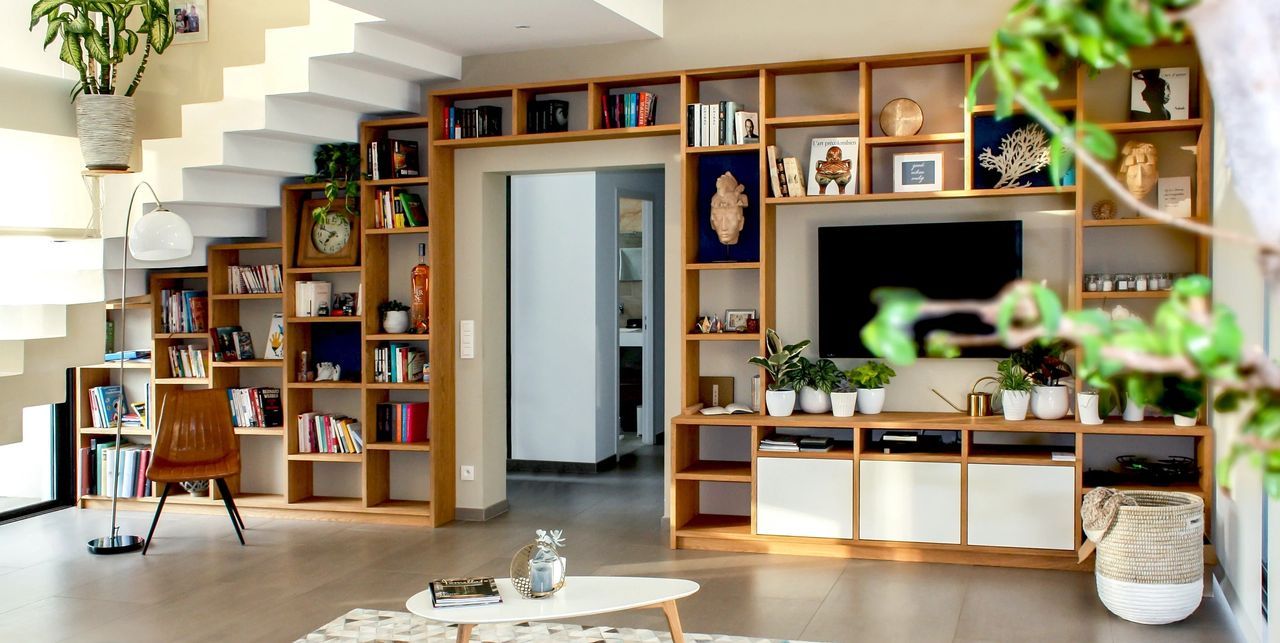
Remote and hybrid work isn't going anywhere. The makeshift desk-in-the-corner setup from 2020 has been replaced by dedicated, thoughtfully designed workspaces.
The best home office renovations we've done this year share a few things: built-in desks with cable management, proper task lighting, acoustic treatment (even basic sound dampening makes a difference on calls), and enough storage to keep the space clean between uses.
Not every home has a spare room to dedicate to an office. The solution: spaces designed to serve multiple functions without feeling like a compromise.
Open floor plans are still popular, but homeowners are finding that some separation—even flexible separation—makes a home more livable.
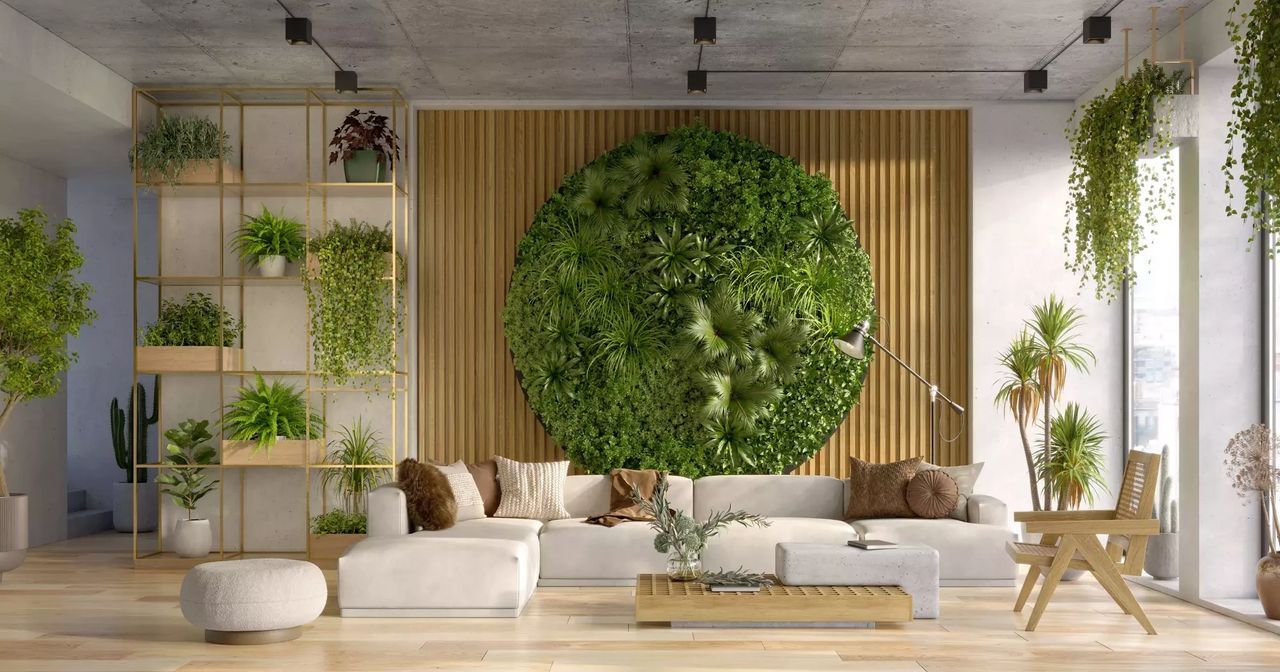
Biophilic design connects your living space to the natural world through materials, light, and organic forms. It's not just a trend—research consistently shows that homes with natural elements reduce stress and improve well-being.
Stone countertops, hardwood floors, and wood-clad ceilings create warmth that manufactured materials can't replicate. In kitchens, natural stone and butcher block are making a strong comeback alongside the quartz that's dominated for the past decade.
Larger windows, skylights, and glass doors transform how a room feels. Pittsburgh gets less natural light than most cities—around 160 sunny days per year—which makes maximizing what you get even more valuable. The most effective approach: window enlargements on south- and west-facing walls where they'll capture the most daylight.
Dedicated plant shelves, vertical herb gardens in kitchens, and built-in planter boxes are low-cost additions that make a real difference in how a space looks and feels. We've installed kitchen herb walls, sunroom planting stations, and even basement grow-light setups for year-round gardening.
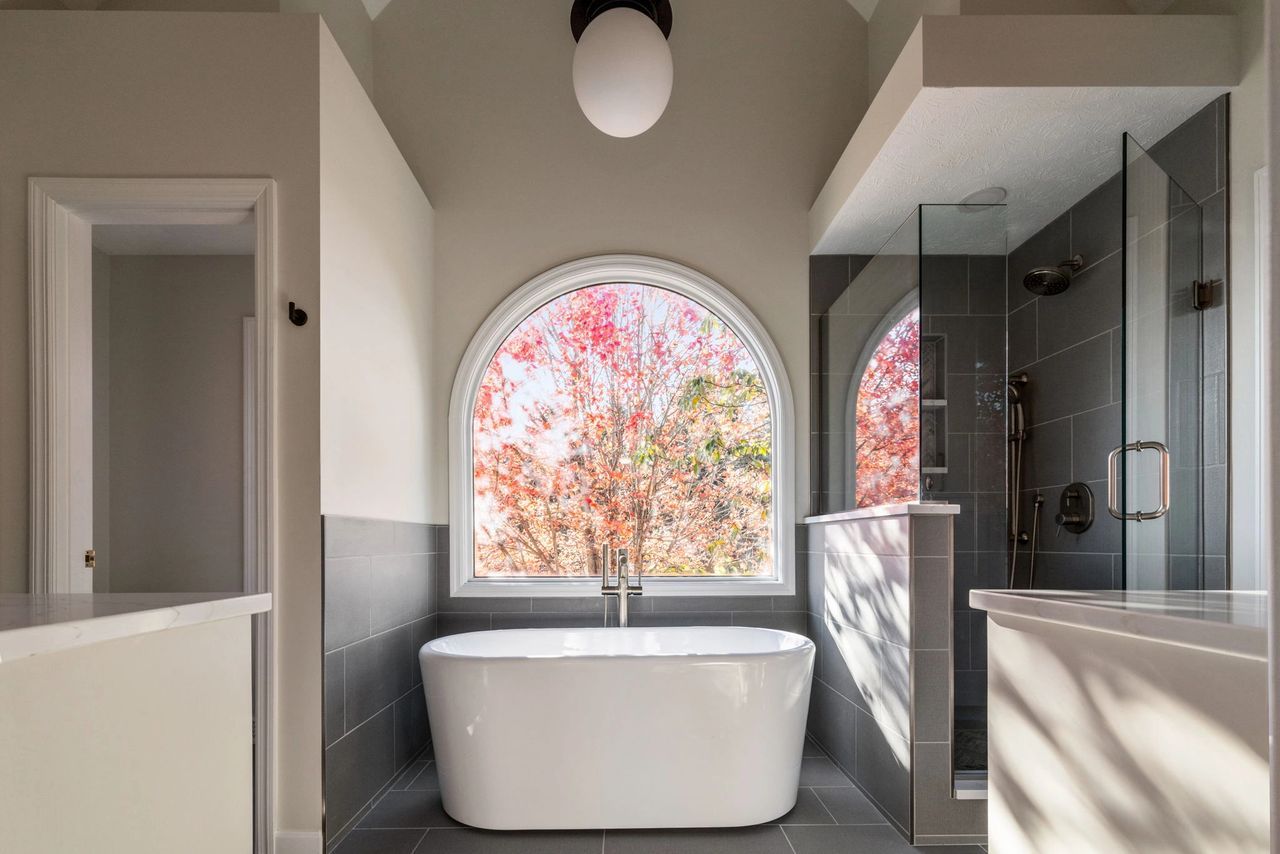
Kitchens and bathrooms remain the two rooms where renovation investment delivers the strongest return. The current direction: cleaner lines, bolder color choices, and technology that actually makes daily life easier.
Smart home technology has matured past the novelty stage. The systems worth investing in are the ones you stop noticing because they just work.
The key to smart home renovation: plan the wiring and infrastructure during construction, even if you're not installing every device right away. Running low-voltage wire and network cable during a remodel costs almost nothing. Retrofitting it later costs a lot.
Pittsburgh's four-season climate used to limit outdoor living to a few months. Modern materials and design have changed that. We're building outdoor spaces that homeowners use from April through November—and sometimes year-round.
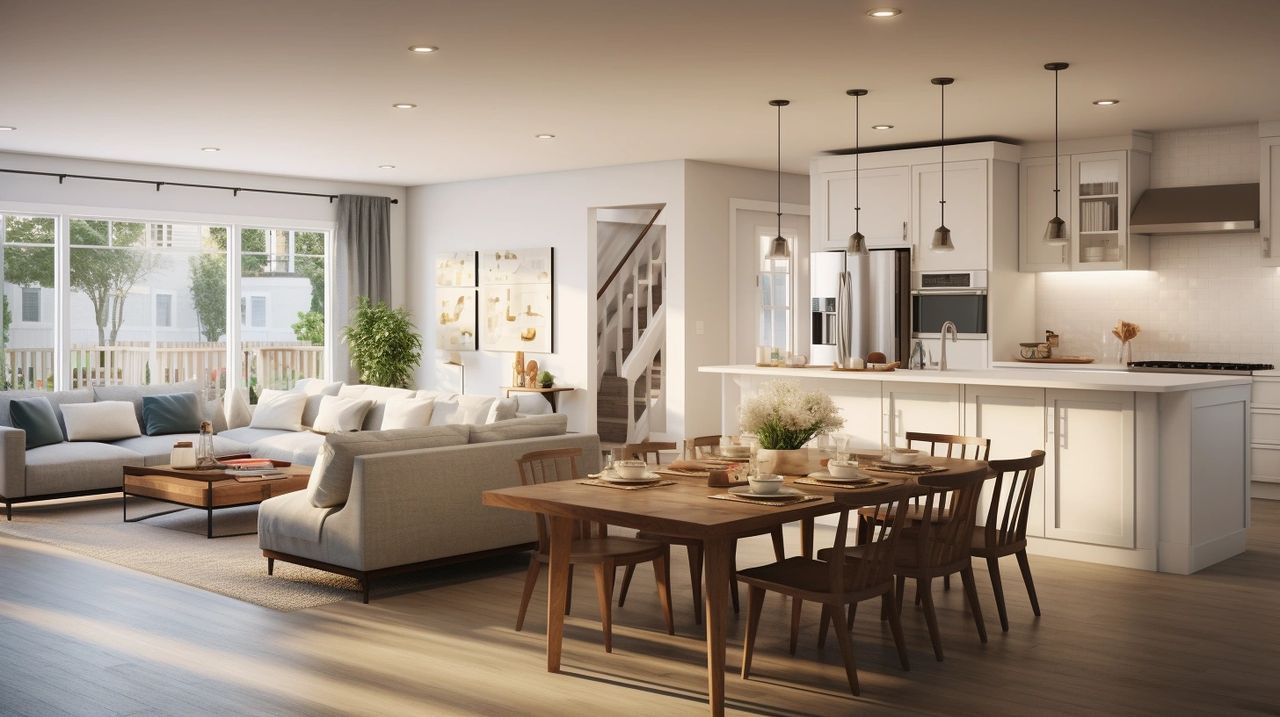
Designing for long-term accessibility isn't just for older homeowners. More families are building these features into renovations now—while the walls are open and the cost is minimal—rather than retrofitting later.
The bathroom is where aging in place renovations have the biggest impact. Curbless showers, comfort-height toilets, and strategically placed grab bars (designed to look like towel bars, not hospital fixtures) combine safety with style. These features also appeal to buyers if you ever sell—accessibility is a selling point, not a compromise.
Adding a first-floor master suite—or converting a dining room or den into a bedroom—eliminates stairs from daily life. In Pittsburgh's two- and three-story housing stock, this is one of the most practical renovations for long-term livability.
Motion-sensor lighting in hallways and bathrooms, smart locks that eliminate fumbling with keys, and video doorbells that let you see who's there without getting up—these small additions make a meaningful difference in daily comfort and safety.
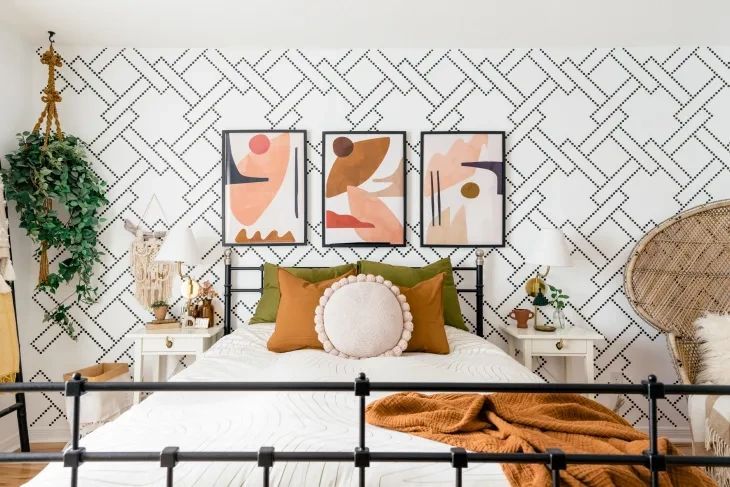
The strongest renovation trend we're seeing isn't a specific material or style—it's homeowners making deliberate choices that reflect how they actually live, rather than following a catalog.
Every home is different, and the best renovation ideas for your project depend on your home's age, your neighborhood, your budget, and how you plan to use the space. A 1960s Mt. Lebanon colonial has different needs than a new-build in Peters Township.
What stays consistent: invest in the projects you'll use every day (kitchens, bathrooms, primary living spaces), build in infrastructure for the future (wiring, accessibility, energy efficiency), and choose materials that hold up over time rather than chasing the latest trend.
Tell us about your project and we'll help you figure out which upgrades make the most sense for your home.
Get In Touch