You don't have to move to get the space you need. Here's what Pittsburgh homeowners should know before adding on.
There's a specific kind of frustration that builds up in a house that's just a little too small. The dining room doubles as a homework station. The guest room is a storage room with a pullout couch. The kids have outgrown the backyard but the living room is the same size it was when you moved in.
Moving is one answer. But in Pittsburgh's South Hills market — where good school districts and established neighborhoods don't come cheap — a lot of homeowners are doing the math and deciding that adding onto the house they already love makes more financial and personal sense than starting over somewhere new.
This guide covers everything you need to know before building an addition: the most common types, what they cost in the Pittsburgh area, how the permitting process works, and what the construction timeline actually looks like.
Quick Take: Home additions in Pittsburgh typically cost $136–$271 per square foot, depending on addition type, complexity, and finishes. A room addition or primary suite runs $150,000–$350,000+. The process — from design through final inspection — usually takes 6–12 months total. Most homeowners who add on instead of move end up significantly ahead financially within five years.
The calculus has shifted. With home prices in Upper St. Clair, Mt. Lebanon, and Bethel Park staying strong and inventory tight, moving up to a bigger house often means paying a premium for a home that still doesn't fit your family exactly the way you want.
An addition lets you stay in your neighborhood, your school district, and the home you've already made your own — and build exactly the space you actually need. There's no bidding war. No disrupted routines for six months of searching. Just a clear project with a defined scope and a result tailored to your family.
The financial case also holds up. A well-executed addition in the South Hills typically returns 60–75% of cost at resale — and in the meantime, it adds livable square footage and function that the family uses every day. Compare that to the transaction costs of buying and selling, and the addition often wins.
The most flexible type — adding one new room to the footprint of the house. Common applications include a larger kitchen, a new family room, a sunroom, or a dedicated home office. Bump-outs extend an existing room by a few feet; full additions are new structures with foundation, framing, and roofline tied into the house.
Typical cost: $80,000–$180,000 depending on size and complexity
Adding a dedicated primary bedroom with en-suite bathroom and walk-in closet. This is the most requested addition type for families in established Pittsburgh neighborhoods — especially in homes built before 1990 that don't have a true primary suite. It adds significant resale value and improves daily quality of life immediately.
Typical cost: $200,000–$400,000 depending on size and bathroom finishes
A self-contained living space — bedroom, bathroom, and sometimes a small kitchen — added to the main structure or as a connected unit above a garage. Popular with Pittsburgh families navigating multigenerational living, aging parents moving closer, or adult children returning home. In most South Hills municipalities, these require a variance or special use permit.
Typical cost: $150,000–$300,000+
Adding an entirely new floor to a ranch or split-level home. This is the most complex addition type — it requires temporary removal of the existing roof, significant structural engineering, and careful coordination of mechanical systems. But it's also the most dramatic transformation: essentially doubling the home's footprint without expanding the lot.
Typical cost: $250,000–$500,000+ depending on scope
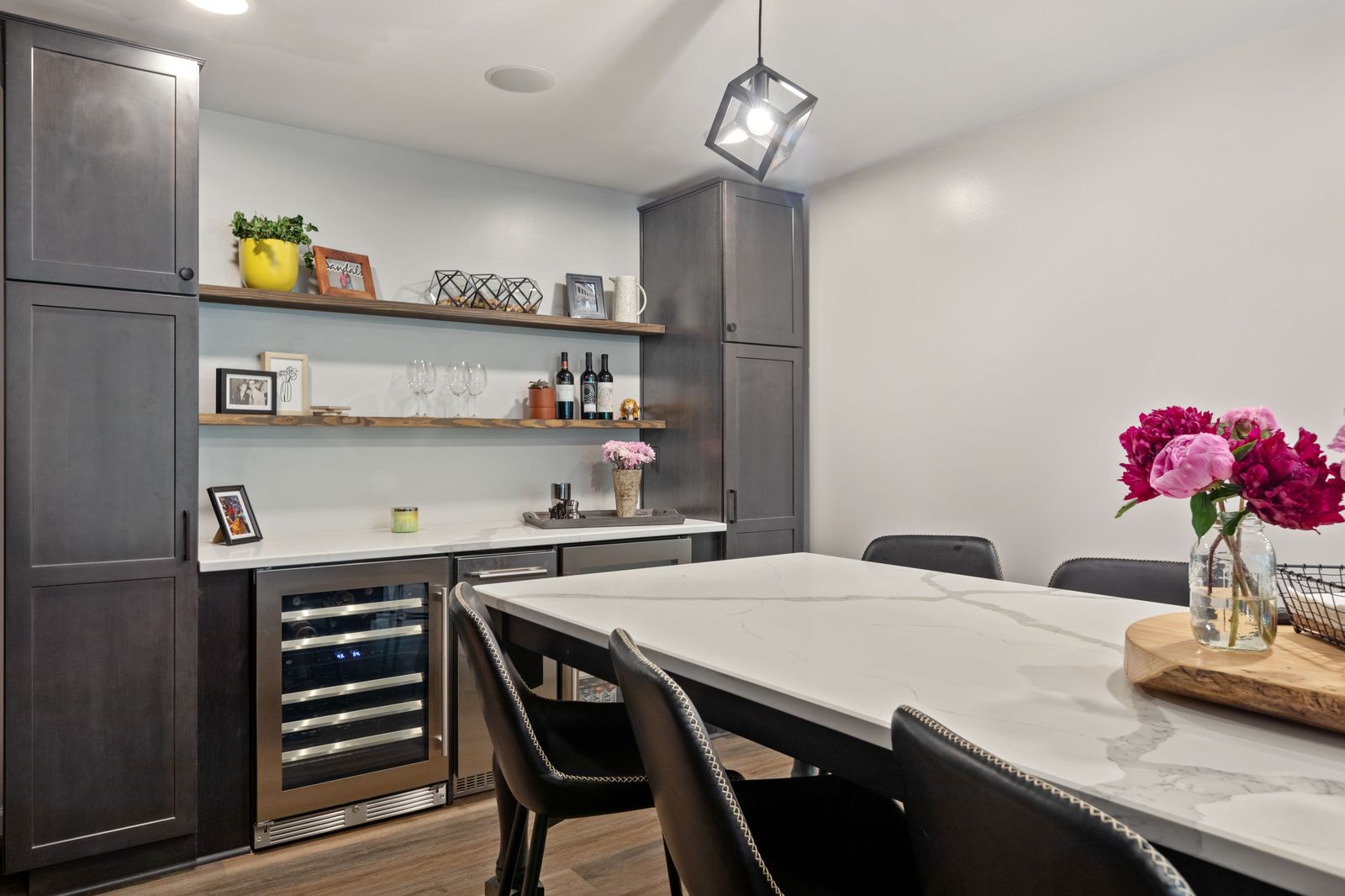
Extending the back of the house to enlarge a kitchen, open up a dining area, or create an open-concept living space. Often combined with a deck addition to create an indoor-outdoor flow that Pittsburgh homeowners use from May through October. One of the best additions for day-to-day quality of life and resale appeal.
Typical cost: $100,000–$220,000
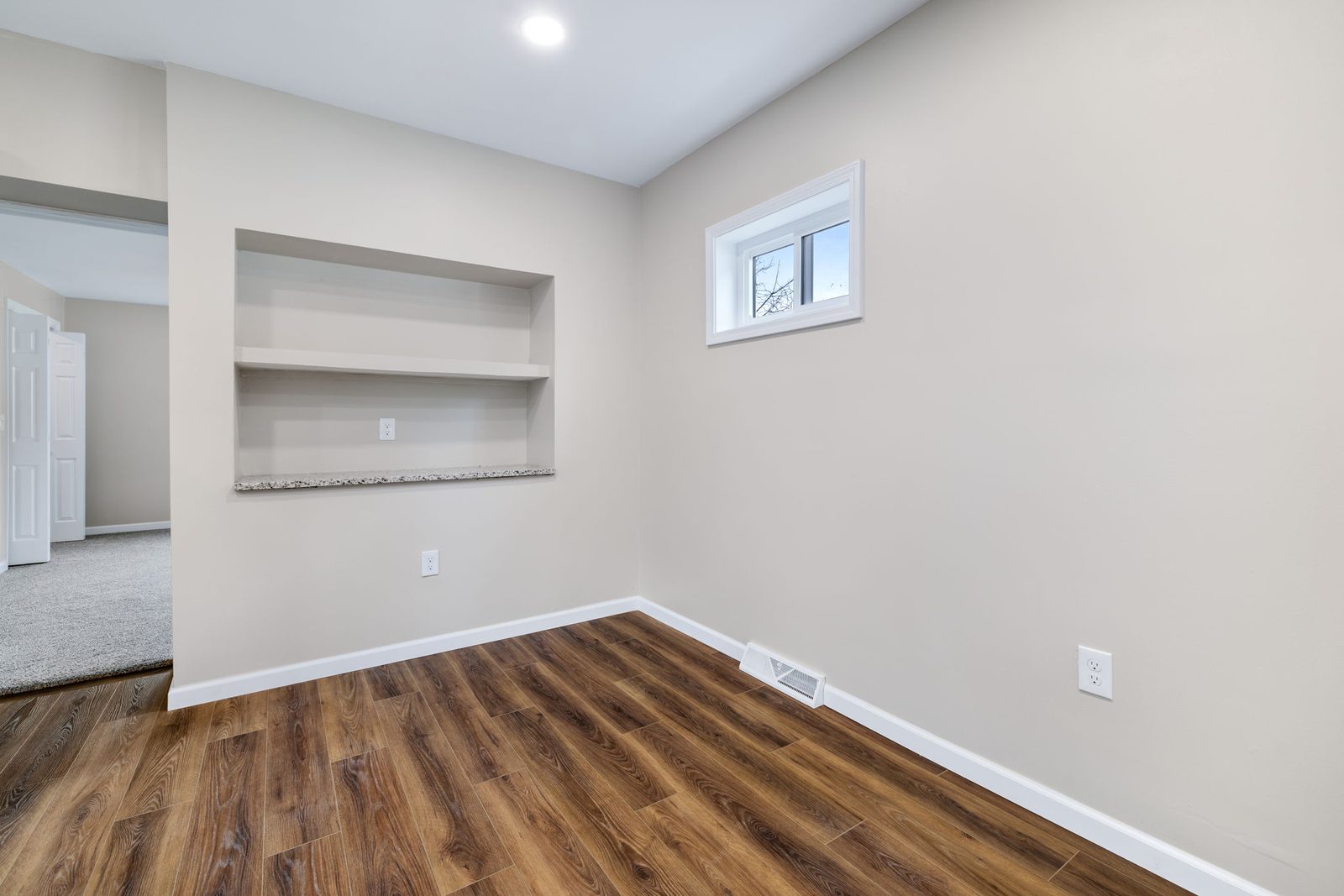
Pittsburgh addition costs fall in a meaningful range depending on addition type, foundation requirements, finish level, and neighborhood. Here's what to expect:
For reference: a 400 sq ft room addition at mid-range finishes typically runs $72,000–$92,000 in materials and labor. Add a full bathroom, custom cabinetry, or structural complexity and that number climbs quickly.
Building permits in Allegheny County municipalities typically cost $1,100–$4,200 for addition projects, depending on the municipality and project valuation. Your contractor handles permit applications. Pennsylvania also requires radon-resistant construction in new additions, which adds $800–$2,000 for subslab depressurization if applicable.
Understanding the sequence helps set realistic expectations. Here's how a Pittsburgh home addition typically unfolds:
The contractor assesses your existing home — structure, mechanicals, lot — and develops drawings based on your goals. This is where layout options are presented, materials are selected, and the final scope is locked in. Don't rush this phase. Scope changes mid-construction are the single biggest driver of budget overruns.
The contractor submits for permits once drawings are finalized. Municipality review times vary — some South Hills communities turn permits around in two weeks, others take five or six. This is normal and built into any realistic timeline. No reputable contractor breaks ground before permits are approved.
Excavation and foundation come first if the addition requires new footings. Framing follows — this is when the addition becomes visible as a real structure. Pittsburgh's clay-heavy soil and sloped lots can add complexity to foundation work, which is why local experience matters here.
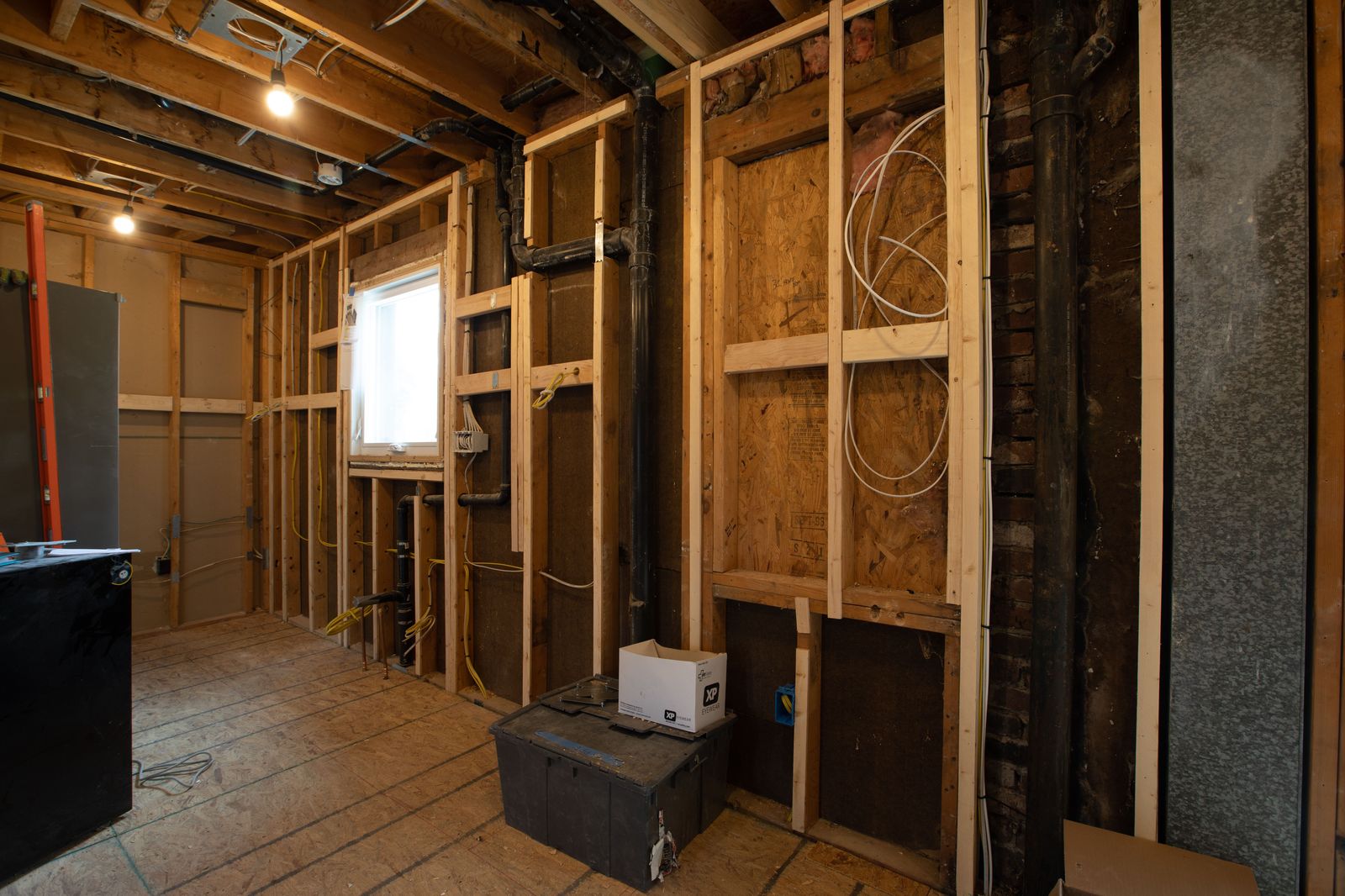
Electrical, plumbing, and HVAC rough-ins happen after framing and before insulation. All three require inspections before walls are closed. Your contractor coordinates these trades and schedules inspections — homeowners don't need to manage this directly.
Insulation goes in after mechanical inspections pass. Drywall follows — then siding, roofing tie-in, and window installation on the exterior. This phase is where the addition starts to feel like part of the house rather than a construction zone.
Flooring, trim, cabinetry, fixtures, paint, and final electrical. The finish phase is where the space goes from drywall shell to the room you actually envisioned. Final inspections cover electrical, plumbing, and structural sign-off before the space is officially occupied.
How long does a home addition take in Pittsburgh?
From first conversation to final walkthrough, most additions take 6–12 months. Smaller bump-outs or room additions run 4–6 months. Primary suite additions and second-story projects routinely take 9–14 months when design, permitting, and construction are all included. Starting conversations in spring puts you on track for a fall or winter completion on most projects.
Do I need to move out during construction?
Usually not. Most additions are built off the existing exterior, so interior disruption is limited to the connection point where the addition ties into the house. That phase — opening the wall — typically happens in a single day after the addition is dried in. You may want to stay elsewhere for one or two nights during that work, but full displacement is rarely necessary.
How much does a home addition add to my home's value?
Addition ROI in the Pittsburgh market typically runs 60–75% of project cost at resale. A $200,000 addition should increase your home's value by $120,000–$150,000. But the value you're living in every day — the extra bedroom, the real primary suite, the open kitchen — is separate from the resale calculation and often the more meaningful number for families staying put for 5–10 years.
Does Pittsburgh's terrain affect additions?
Yes, more than most cities. Pittsburgh's sloped lots — especially in the South Hills — frequently require custom foundation work: stepped footings, retaining walls, or deeper piers than a flat lot would require. This adds cost and design complexity, which is why it's important to work with a contractor who has specific Pittsburgh addition experience. An out-of-area contractor quoting a flat-lot addition price for a sloped Pittsburgh lot is a recipe for budget shock mid-project.
What permits are required for a home addition in Pittsburgh?
At minimum: a building permit from your municipality. Most additions also require electrical, plumbing, and HVAC permits pulled by the respective licensed tradespeople. Second-story additions and projects exceeding certain square footages may require zoning approval or variance in some municipalities before a building permit can be issued. Your contractor should handle all of this — if a contractor tells you permits aren't needed for a project of this scope, walk away.
What's the best addition for resale value?
Primary suite additions consistently perform best in the South Hills market — homes without a true primary suite sell at a discount compared to comparable homes that have one. Kitchen expansions also perform strongly because they improve both daily function and buyer appeal. Second-story additions add the most square footage but also carry the most cost and the longest payback horizon.
Can I finance a home addition?
Yes — and most homeowners do. A HELOC (home equity line of credit) is the most common vehicle for addition financing, since you draw funds as the project progresses rather than taking a lump sum upfront. Home equity loans, renovation loans, and construction-to-permanent loans are also options depending on your equity position and credit profile. We have a full breakdown of renovation financing options if you want to compare approaches before starting conversations with lenders.
If you've been thinking about an addition, May is not too late to start — but it's the right time to get moving. Here's why:
Summer construction windows are already filling. Contractors schedule exterior work — foundation, framing, roofing — around Pittsburgh's weather. Projects that start conversations in May get into the design phase while summer is still open, and into the ground before fall makes foundation work harder.
The design phase takes time. A good addition isn't something you start building next week. Four to eight weeks of design and permitting is normal — and that time is best spent in spring, so you're breaking ground in summer rather than racing before winter.
Fall and winter completion is valuable. An addition finished by October or November becomes part of your home before the holidays — the guest suite is ready, the family room is done, the primary suite is yours. Starting now makes that timeline achievable.
Get a detailed estimate for your Pittsburgh-area home addition from Integrated Contracting & Renovations.
Get In Touch